8kVA Hybrid Inverter Explained: Features, Benefits, and Why It Is the Future of Solar Energy
India’s rooftops are changing faster than most people realise. Every month, more homes, shops, and small factories swap out ordinary UPS boxes for something smarter: a system that pulls power from the sun during the day, banks the surplus for the evening, and falls back to the grid only when it truly has to. At the centre of that shift for mid-sized homes, clinics, retail outlets, and small offices sits one specific capacity — the 8kVA hybrid inverter.
If you have been comparing quotes, reading spec sheets, or simply trying to work out whether an 8kVA hybrid inverter is the right fit for your rooftop, this guide walks through what the device actually does, the features that matter, the real-world benefits, and why this category of hybrid solar inverter is quickly becoming the default choice for serious solar buyers across India.
What Is an 8kVA Hybrid Inverter?
An 8kVA hybrid inverter is a power conversion unit that combines three functions in a single box: a solar charge controller, a battery inverter, and a grid-interactive UPS. Instead of installing a separate solar inverter for your panels and a separate UPS for backup, a hybrid unit merges both jobs into one intelligent system.
At 8kVA, the unit is sized for homes with moderate-to-heavy daily loads — think 3BHK apartments running air conditioners, refrigerators, washing machines, and lighting simultaneously — as well as small commercial setups like clinics, boutique offices, retail counters, and light industrial units. It sits in the sweet spot between compact residential systems (3–5kVA) and larger three-phase commercial installations, giving buyers enough headroom for real household or small-business loads without paying for capacity they will never use.
The “hybrid” label matters because it describes behaviour, not just hardware. A true hybrid solar inverter constantly evaluates three power sources — solar generation, battery charge, and grid supply — and decides, several times a second, which combination keeps your appliances running most efficiently and cheaply.
How an 8kVA Hybrid Inverter Actually Works
The logic inside an 8kVA hybrid inverter follows a simple priority order, though the exact sequence can usually be customised through the unit’s app or LCD panel:
- Solar first. Whenever panels are producing power, the inverter uses it directly to run connected loads.
- Battery charging. Any solar surplus beyond what your appliances need is routed to charge the battery bank.
- Grid top-up. If solar and battery together can’t meet demand — say, on a heavily overcast day — the unit draws the shortfall from the grid, rather than letting the load trip.
- Battery backup. During a power cut, the inverter switches to battery power in milliseconds, so sensitive electronics like routers, computers, and medical equipment never lose supply.
This constant balancing act is managed by an MPPT (Maximum Power Point Tracking) charge controller, which is really the brain of the unit. MPPT technology adjusts the electrical operating point of the solar array in real time so the panels are always harvesting close to their maximum possible output, regardless of temperature, cloud cover, or partial shading.
Core Features of a Modern 8kVA Hybrid Inverter
- MPPT-based charge control — high-quality units typically extract 15–30% more usable energy from the same solar panels compared to older PWM-based controllers, lowering electricity bills over the system’s lifetime.
- Pure sine wave output — runs air conditioners, refrigerator compressors, and pumps without the humming, overheating, or premature wear that modified sine wave units can cause.
- Battery-less and battery-ready operation — many modern designs, including EnerTech’s own product line, can run entirely on solar and grid power without a connected battery, while remaining fully compatible with lithium-ion or lead-acid battery banks whenever the owner is ready to add storage.
- Wide MPPT voltage range — tolerates variations in panel configuration, partial shading, and seasonal changes in sunlight intensity without a drop in charging efficiency.
- Zero-export and DG-sync functionality — zero-export control prevents surplus solar power from flowing back into the grid, while DG synchronisation lets the inverter work alongside an existing generator instead of conflicting with it.
- Remote monitoring and app control — Wi-Fi or GSM-enabled monitoring lets owners track generation, consumption, and battery health from a smartphone, and lets technicians diagnose issues remotely.
- Overload, short-circuit, and thermal protection — built-in protection circuits shut the unit down safely during voltage spikes, overloads, or overheating.
- Compact, wall-mountable design — small enough for wall mounting in a utility room or store area, which matters where floor space is limited.
Why an 8kVA Hybrid Inverter Makes Sense for Indian Homes and Businesses
It matches real Indian load patterns
Indian households increasingly run multiple air conditioners, inverter-technology refrigerators, water pumps, and home offices simultaneously — loads that easily exceed what a 3–5kVA system can handle without load-shedding some appliances. An 8kVA hybrid inverter gives enough continuous capacity to run these loads together, including the surge current that motors and compressors draw at startup.
It pays for itself through bill reduction
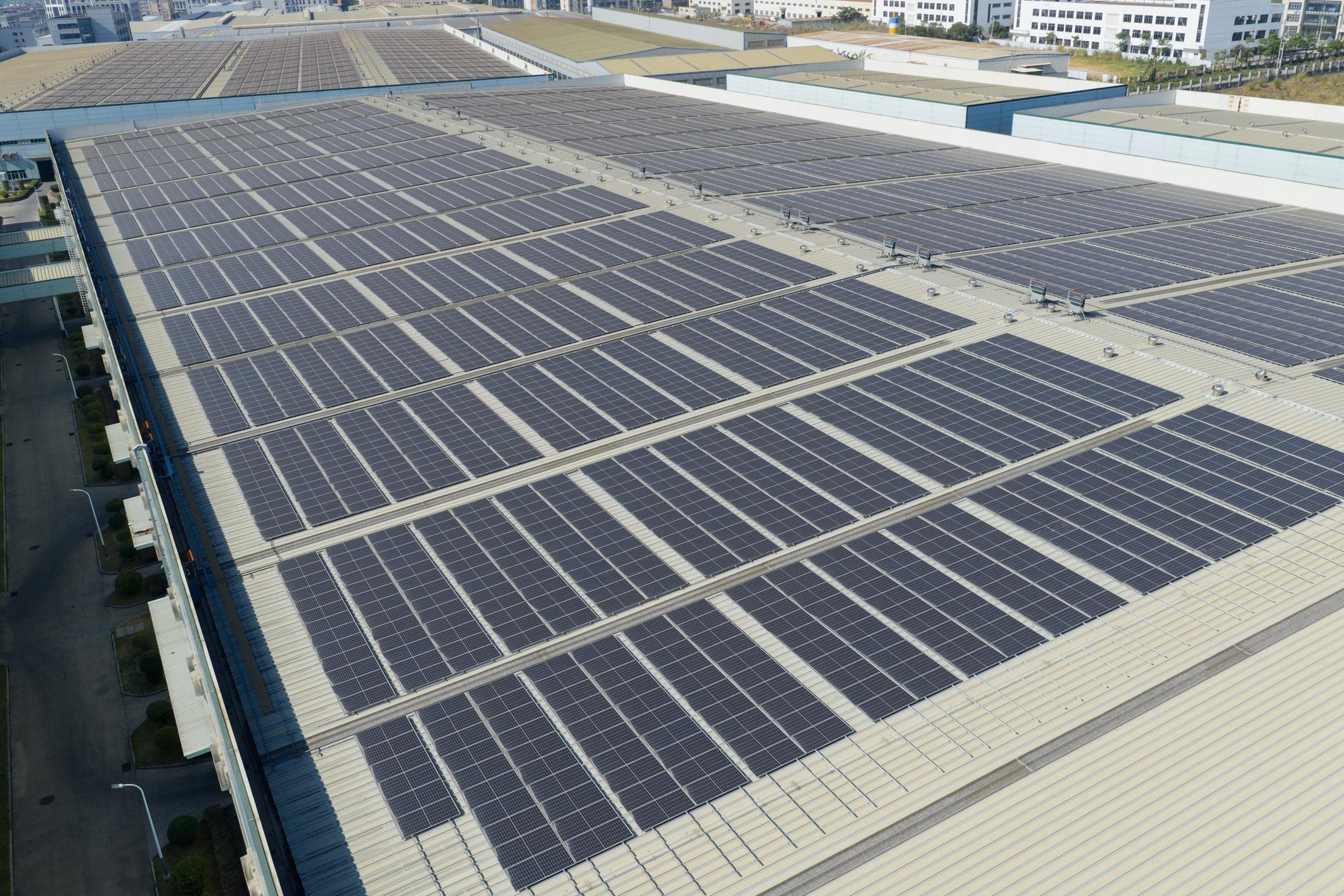
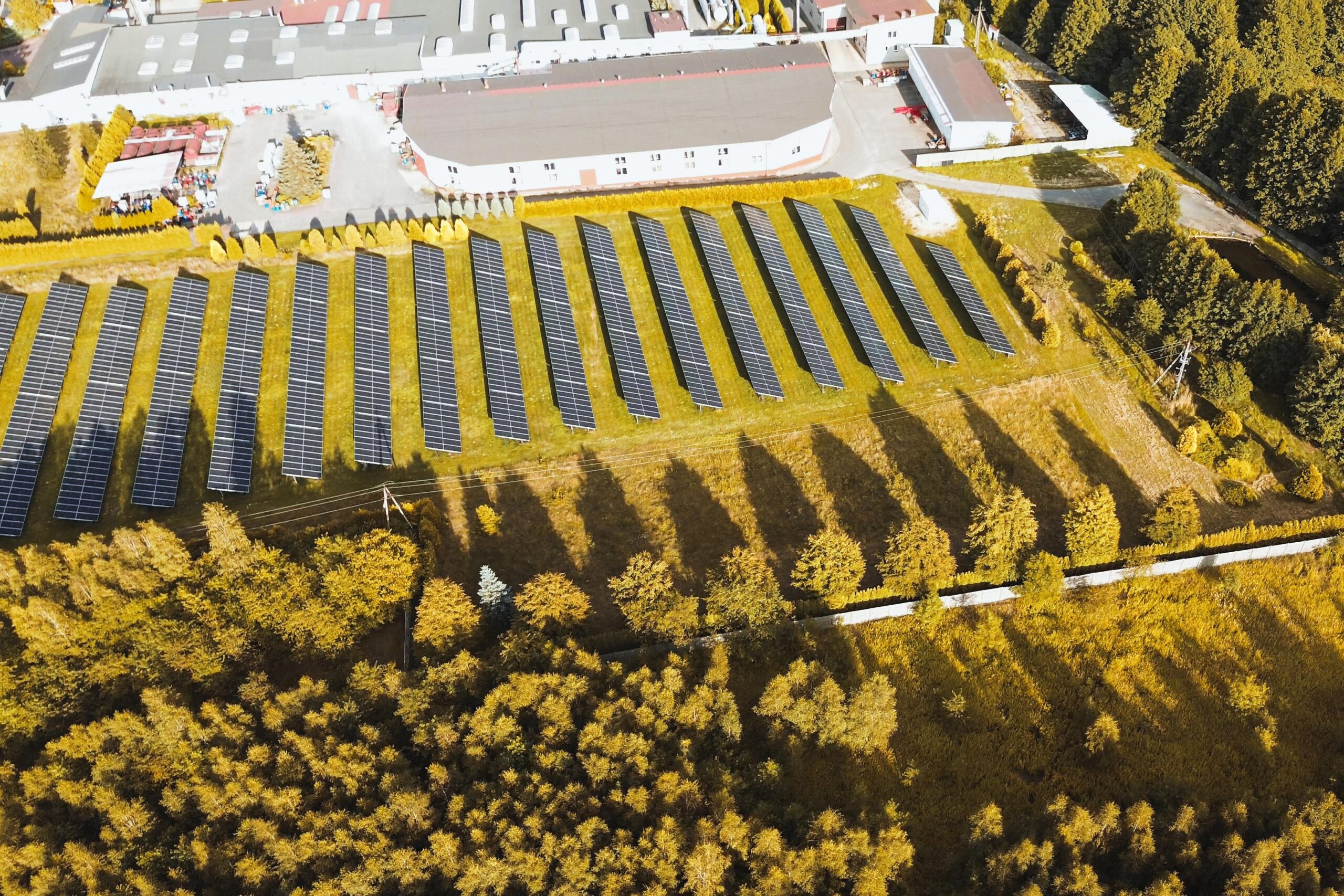
Because the unit prioritises solar consumption before drawing from the grid, a well-sized 8kVA system paired with an appropriately rated solar array can cut grid electricity purchases substantially, particularly for daytime-heavy loads like offices, clinics, and shops that operate during sunlight hours. Combined with net-metering where available, the payback period for a correctly sized solar energy storage system typically falls within a few years, after which the electricity is effectively free for the remaining life of the panels.
It protects against outages without a separate UPS
Because backup switching is built in, there is no need to maintain a separate battery-backup UPS alongside your solar inverter. One box, one warranty, one point of maintenance — a meaningfully simpler setup than running parallel solar and backup systems.
It scales toward a full battery energy storage system
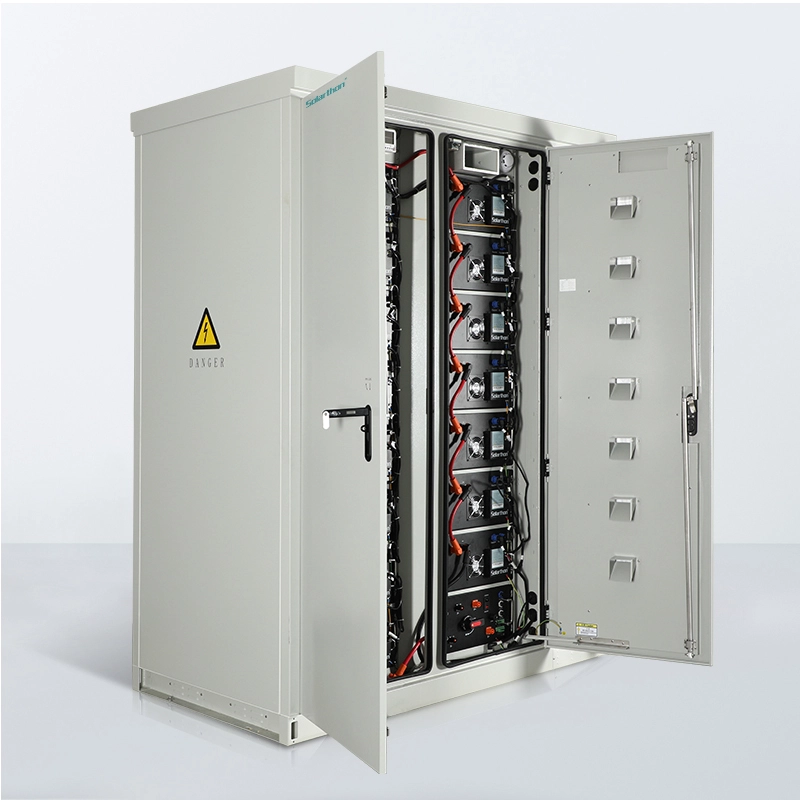
An 8kVA hybrid inverter is also a stepping stone toward a larger battery energy storage system. Because the inverter is already battery-ready, owners can start with grid-and-solar-only operation and add lithium battery banks in stages as budgets allow, without replacing the core inverter hardware.
Why Hybrid Solar Inverters Are the Future of Solar Energy
Three shifts are pushing hybrid technology from a niche choice to the default standard for new solar installations in India.
- Grid instability is not going away — voltage fluctuations, planned outages, and unplanned trips remain common across large parts of urban and rural India. A hybrid solar inverter with integrated backup addresses this directly, rather than requiring a bolt-on solution.
- Battery costs keep falling — lithium-ion battery prices have dropped substantially over the past several years, making it economically realistic for far more households and businesses to add storage.
- Policy is actively encouraging rooftop solar and storage — central and state government schemes continue to promote rooftop solar adoption and, increasingly, storage integration.
Put together, these trends mean that a standalone, grid-only solar inverter is becoming the exception rather than the rule for new installations. A hybrid unit future-proofs the investment: it works today without a battery and scales seamlessly the day you decide to add one.
Frequently Asked Questions
- What is the difference between an 8kVA hybrid inverter and a normal solar inverter?
A standard solar inverter only converts DC power from panels into usable AC power. An 8kVA hybrid inverter does that as well as managing battery charging and providing automatic backup during grid outages, combining the roles of a solar inverter and a UPS in one unit.
- How many solar panels do I need for an 8kVA hybrid inverter?
This depends on your daily consumption and the inverter’s rated DC input, but as a general guide, an 8kVA system is commonly paired with roughly 8–10kW of solar panel capacity to make full use of the inverter’s charging capability across the day.
- Can an 8kVA hybrid inverter run without batteries?
Yes. Many modern hybrid units, including EnerTech’s range, can operate directly on solar and grid power without any battery connected, and batteries can be added later without replacing the inverter.
- What size battery bank pairs well with an 8kVA hybrid inverter?
It depends on how many backup hours you need, but a lithium battery bank in the 5–15kWh range is a common starting point for homes wanting several hours of evening or outage backup.
- Is an 8kVA hybrid inverter suitable for commercial use?
Yes. It suits small offices, clinics, retail stores, and light commercial setups with moderate daytime loads, particularly where solar generation aligns closely with business operating hours.
- Does an 8kVA hybrid inverter reduce my electricity bill?
Yes, substantially in most cases. By prioritising solar consumption over grid draw and, where net-metering is available, exporting surplus power, an appropriately sized system can meaningfully cut monthly electricity costs.
- What certifications should I check before buying?
Look for BIS certification and MNRE approval at minimum, along with IEC compliance for anti-islanding and safety standards, plus a documented warranty and accessible after-sales service.
- How long does an 8kVA hybrid inverter typically last?
With proper installation and maintenance, a well-built hybrid inverter from a reputable manufacturer typically has a service life of 8–10 years or more, with the battery bank (if lithium-based) often lasting a similar or longer duration depending on usage cycles.
Ready to Upgrade to a Smarter Power System?
An 8kVA hybrid inverter is no longer a specialist product for early adopters — it is fast becoming the standard way Indian homes and small businesses secure reliable, affordable power. Whether you are planning a new rooftop solar installation or upgrading an ageing UPS setup, choosing a certified hybrid solar inverter today means your system is ready for battery storage tomorrow, without starting over.
Talk to the engineering team at EnerTech UPS Pvt Ltd for a system sized to your actual load, backed by three decades of manufacturing experience and a service network built for the way Indian power grids really behave.