Energy Solutions can help you reduce your electricity bills
Commercial Enquiry :
+919373336340 | +919822407189
sales@enertechups.com
Customer Care & Support: +919373679255 support@enertechups.com

Careers: +919075088292 recruitment@enertechups.com
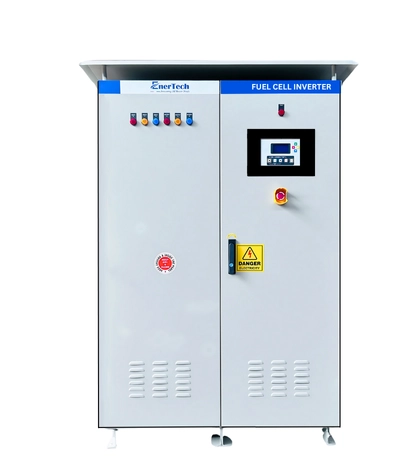
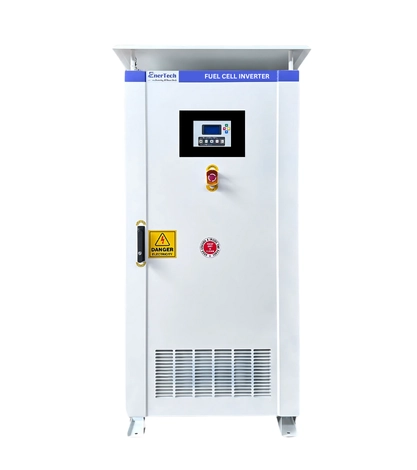
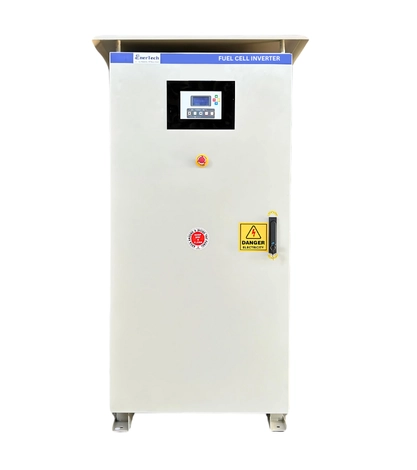
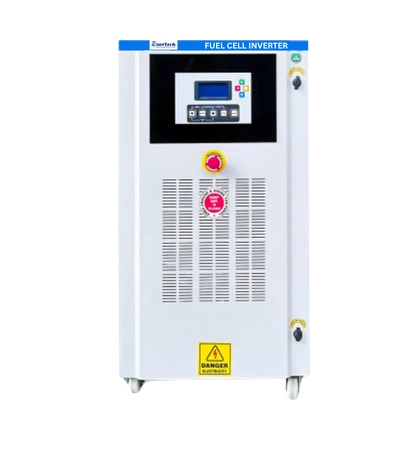
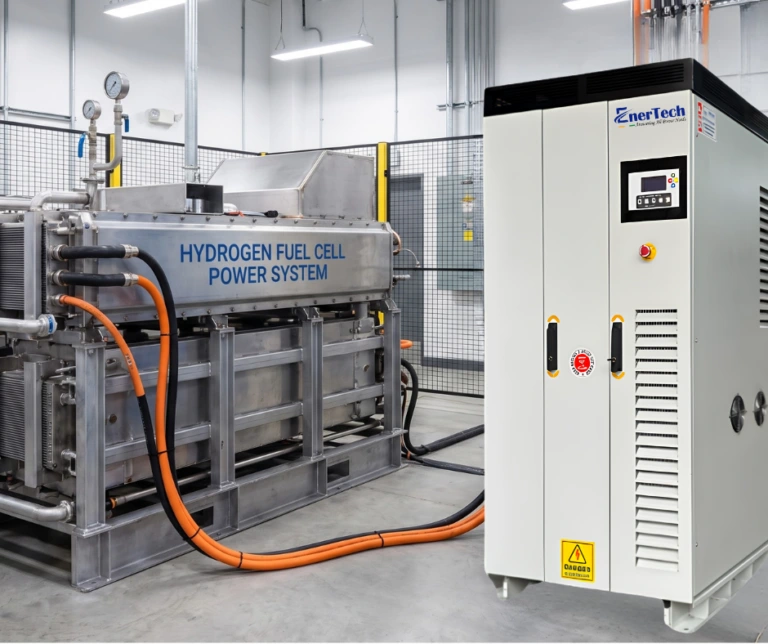
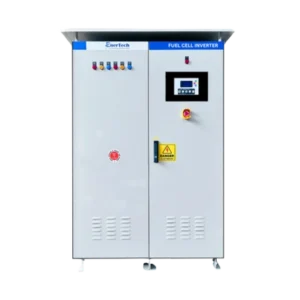
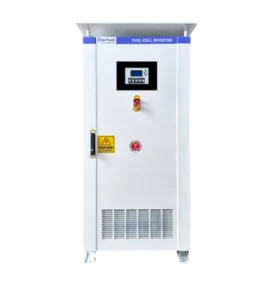
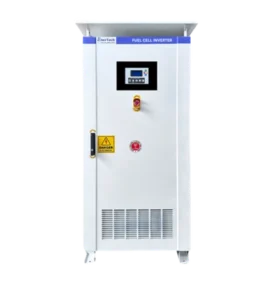
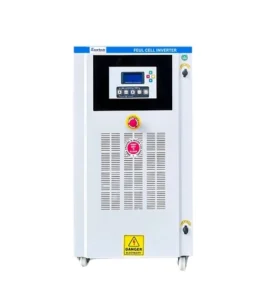
Hydrogen energy is reshaping the future of clean power, and at the center of every efficient hydrogen setup is a dependable power conversion system. A Fuel Cell Inverter acts as the crucial bridge between raw chemical energy and usable electrical power, converting variable direct current (DC) generated by fuel cells into clean, stable alternating current (AC) ready for the grid, commercial facilities, or heavy-duty electric mobility.


| Parameter | Specification |
|---|---|
| Power Rating | 5 kVA to 300 kVA (Single & Three Phase) |
| Input Voltage | 96V / 120V / 240VDC Upto 600VDC (Configurable) |
| Output Voltage | 230V AC Single Phase / 415V AC Three Phase |
| Frequency | 50 Hz / 60 Hz |
| Efficiency | Up to 98% at full load |
| Power Factor | >0.99 (Unity PF) with IGBT-based converter |
| THD (Voltage) | <3% at linear load, <5% at non-linear load |
| Overload Capacity | 125% for 10 minutes, 150% for 60 seconds |
| Response Time | No break change over time |
| Operating Temperature | 0°C to 40°C |
Fuel cells produce low-voltage, high-current DC output that fluctuates significantly under varying load conditions. A specialized EnerTech fuel cell power inverter is engineered specifically to handle these non-linear voltage curves, ensuring maximum energy yield without stressing the fuel cell stack.
Ultra-Wide DC Input Range: Adapts seamlessly to dynamic voltage swings during peak loads and cold starts.
Maximum Power Extraction: Advanced algorithms maintain high conversion efficiency (up to 98%+) across all operating conditions.
Stack Protection: Low input current ripple design extends the lifespan of expensive fuel cell membranes.
Grid-Tie & Off-Grid Versatility: Capable of seamless grid synchronization as well as standalone microgrid operation.
EnerTech’s Fuel Cell Inverters represent the next generation of clean energy infrastructure, enabling organizations to harness hydrogen power with the same reliability and power quality as traditional grid electricity.


When power demand spikes or the system experiences a cold start, a fuel cell's output voltage drops sharply while current rises.


The delicate catalyst layer and polymer electrolyte membrane (PEM) inside a fuel cell are easily damaged by alternating current (AC) ripple.


Raw chemical output from hydrogen cannot power standard electrical grids, facility equipment, or EV drivetrains directly.


Functions smoothly in both grid-tied modes (supporting net metering and peak shaving) and standalone off-grid microgrid setups.


Fuel cells rely on chemical and mechanical processes (delivering oxygen and hydrogen to the stack), which makes their throttle response relatively slow compared to instant electrical demand.

Facilities like data centers, hospitals, and telecom towers are replacing noisy, carbon-heavy diesel generators with stationary hydrogen power.
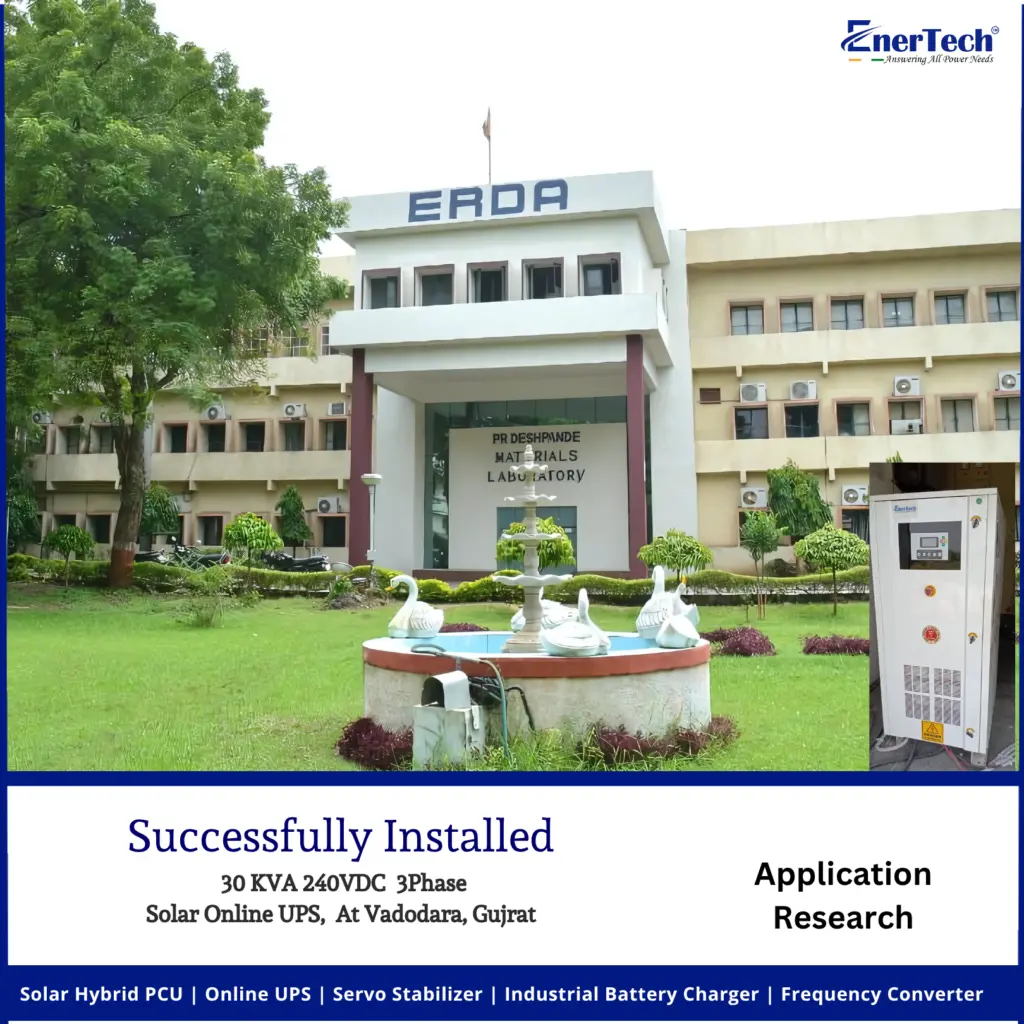
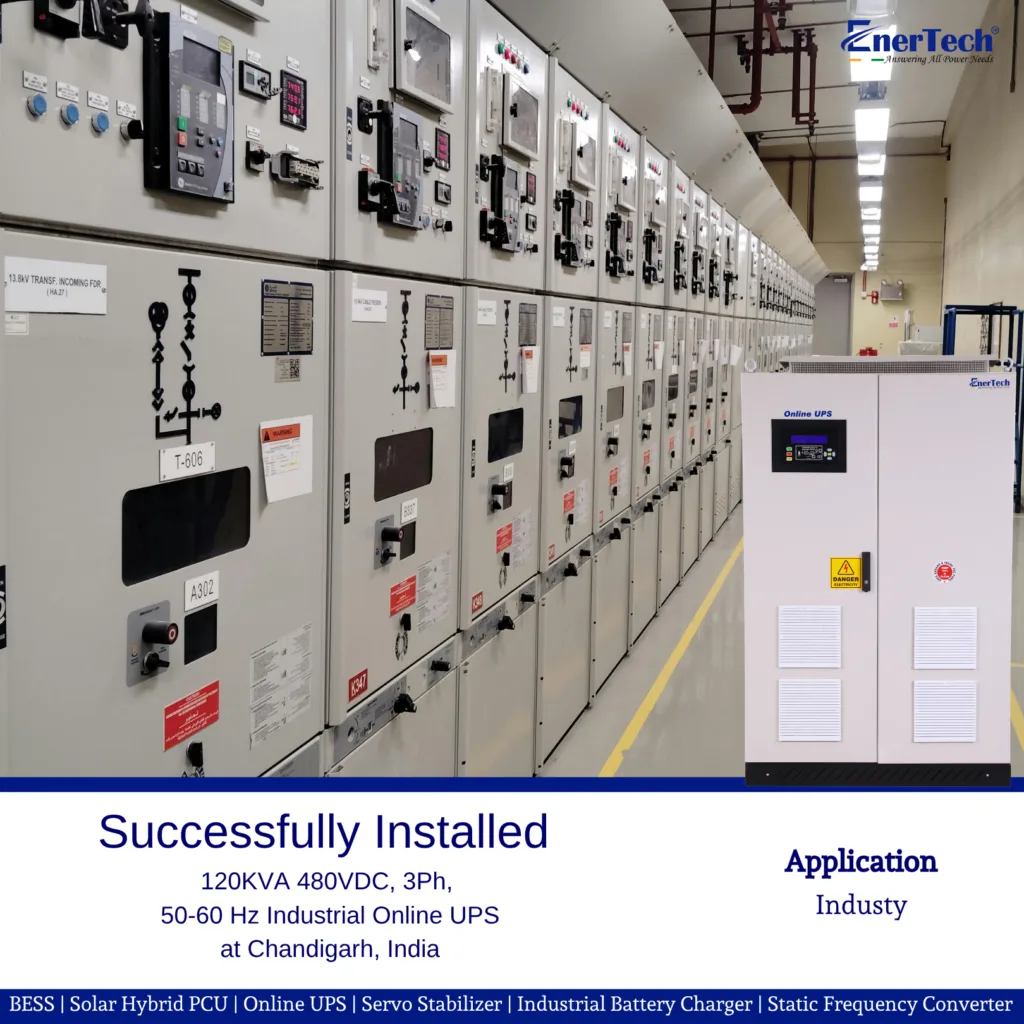
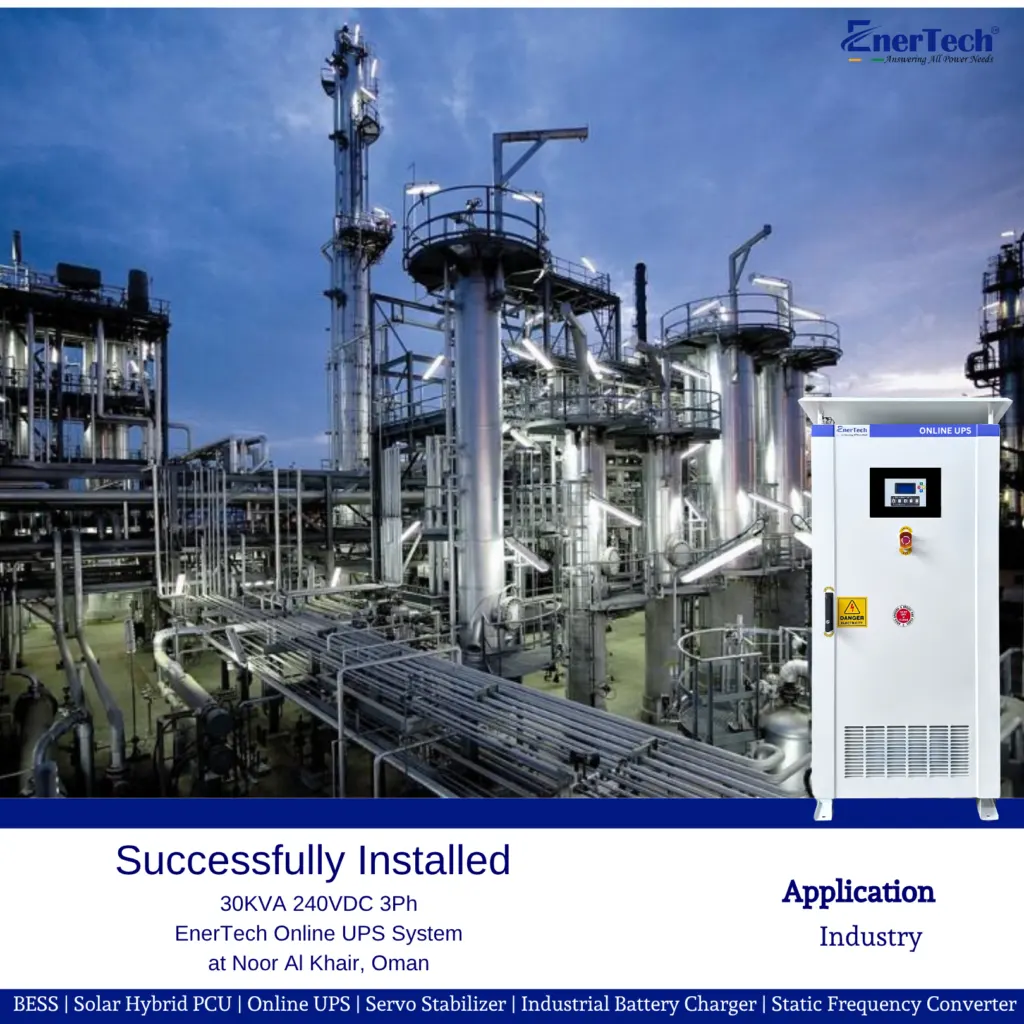
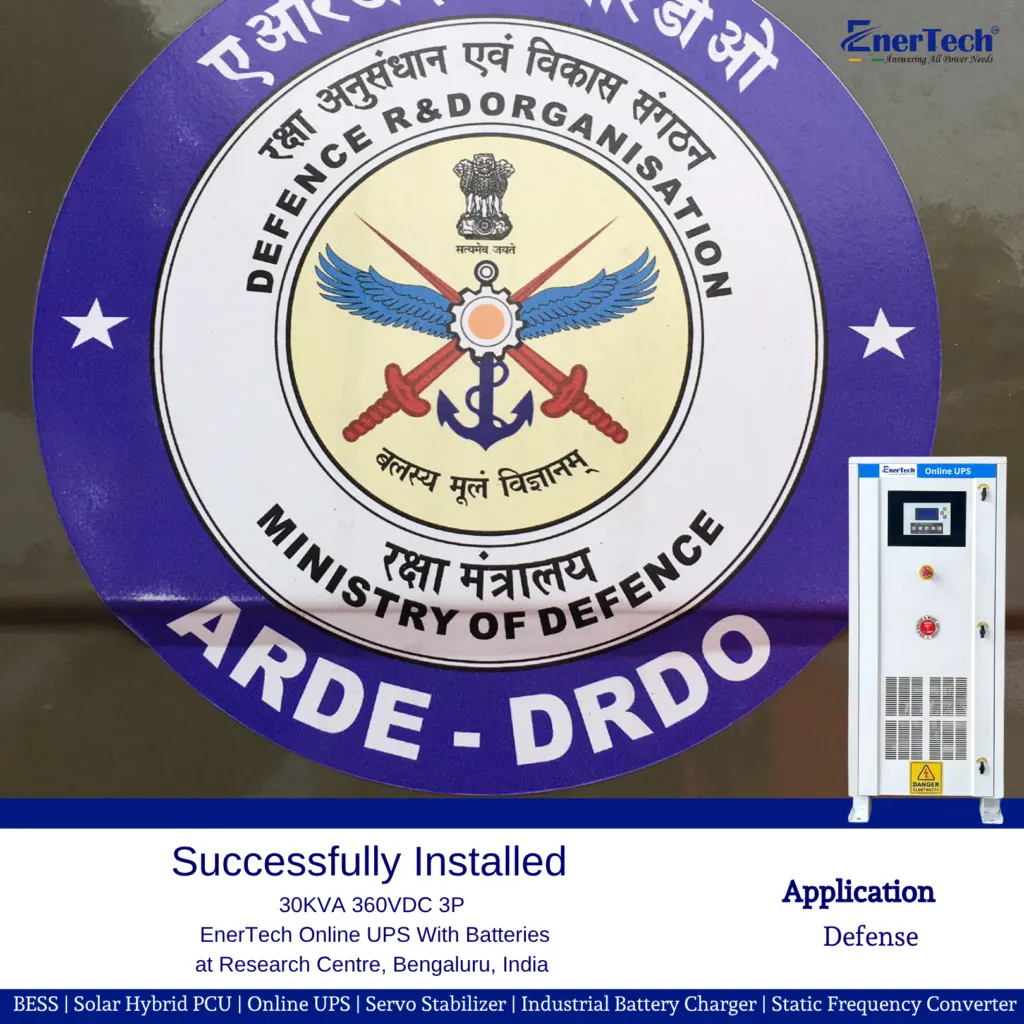
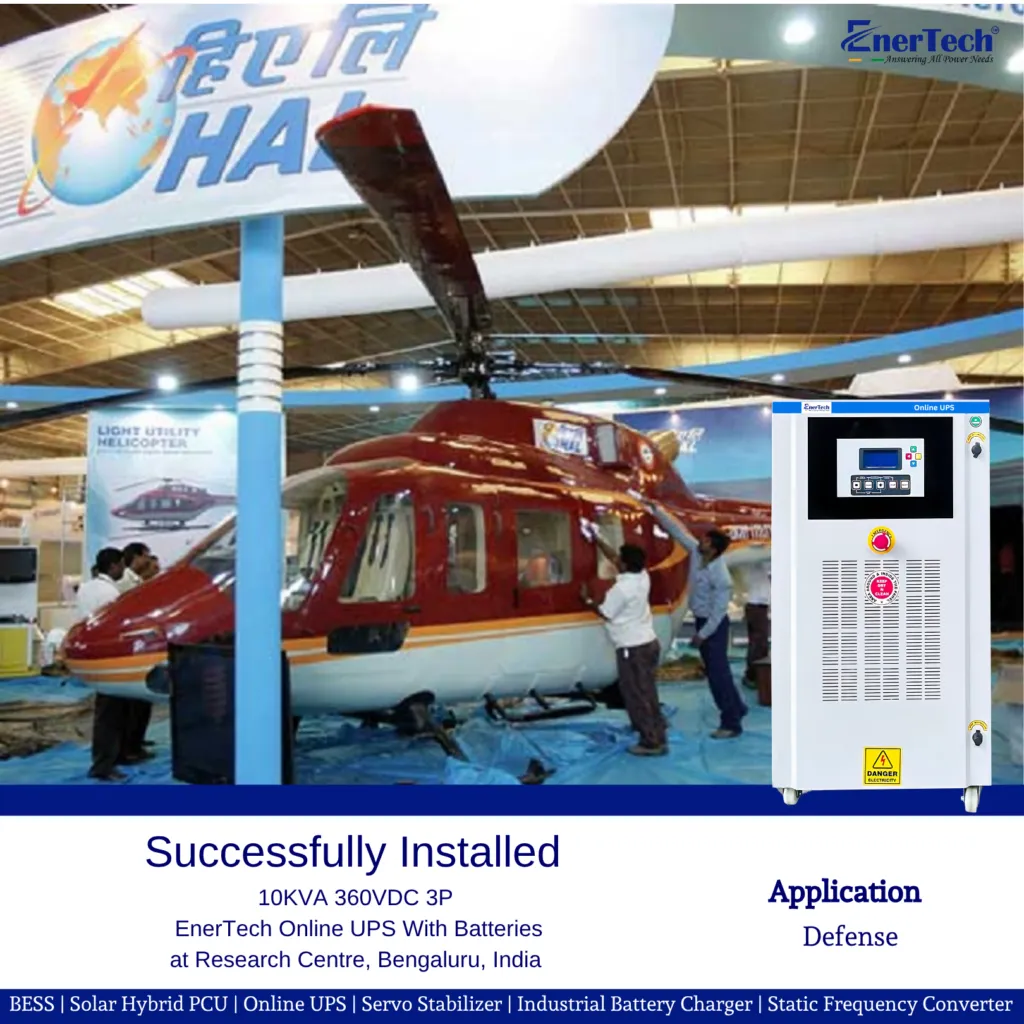
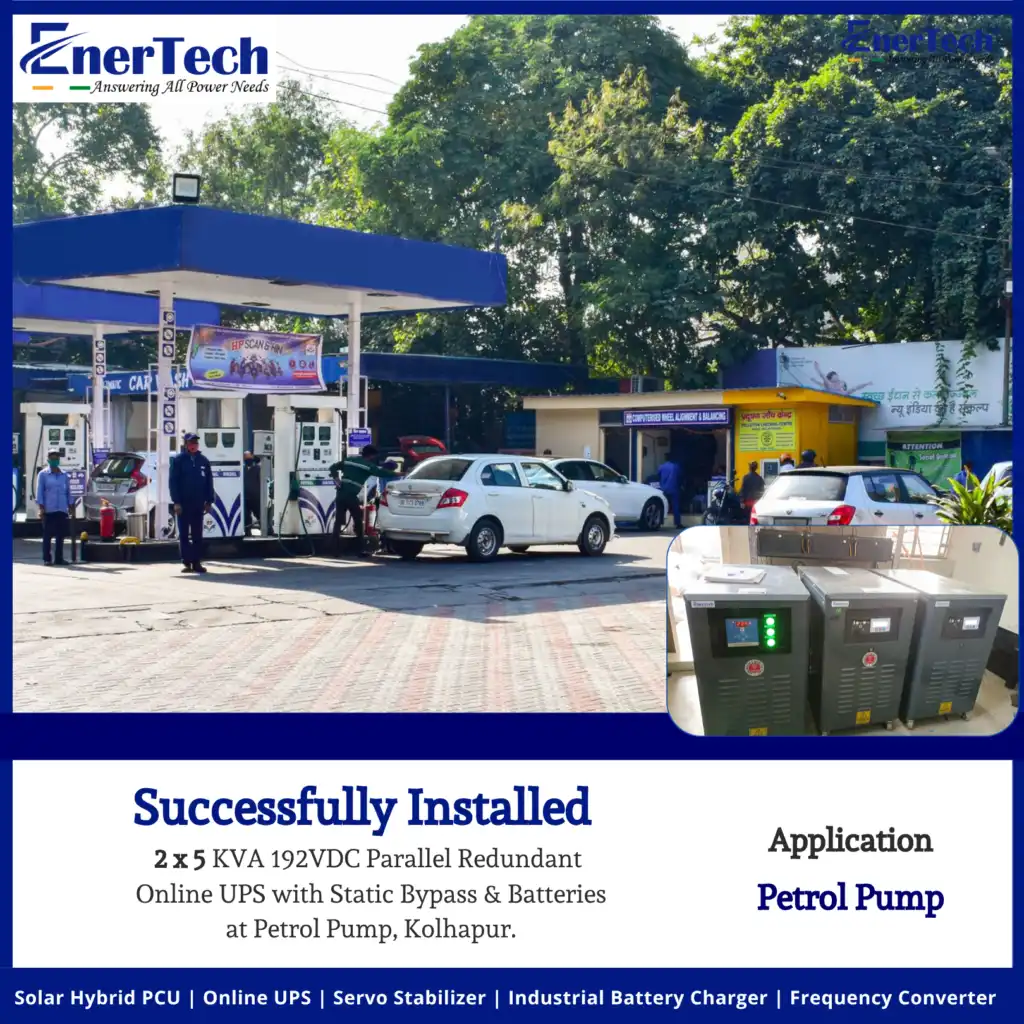
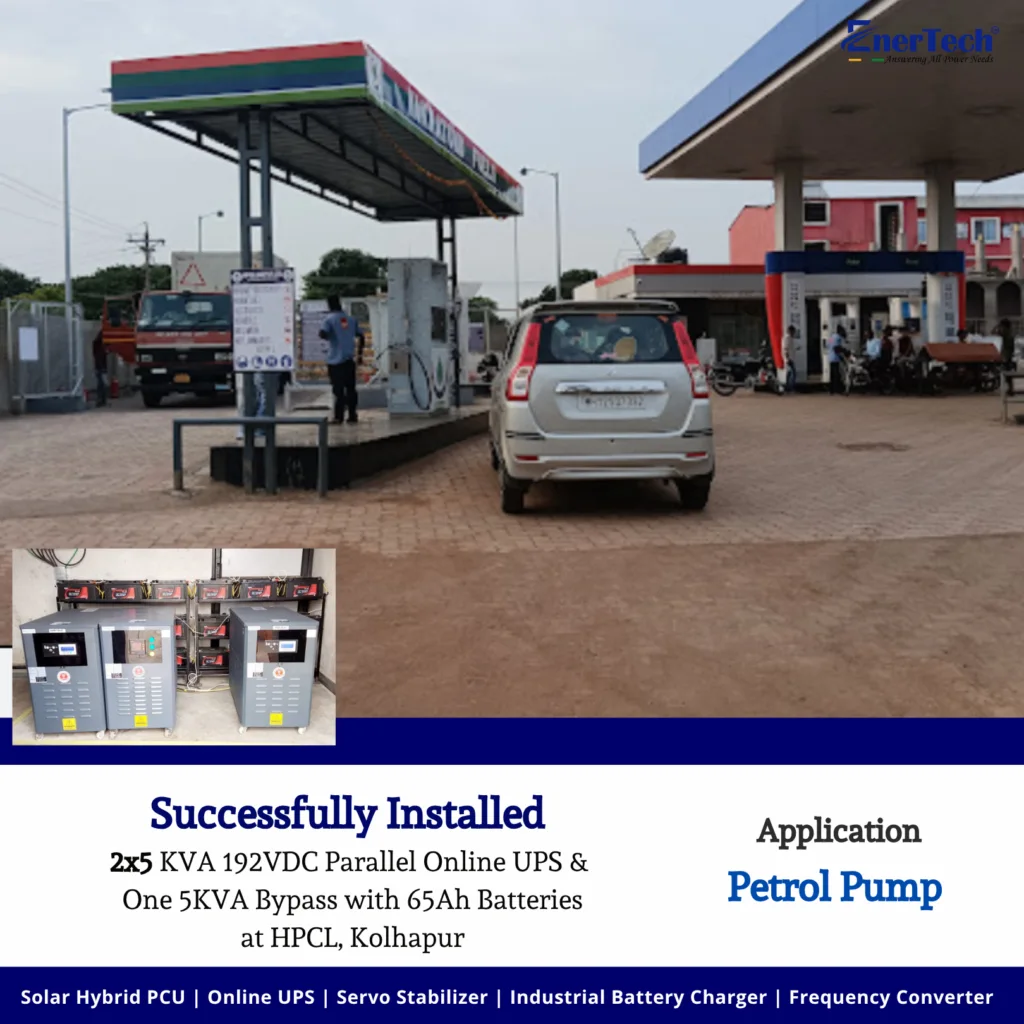
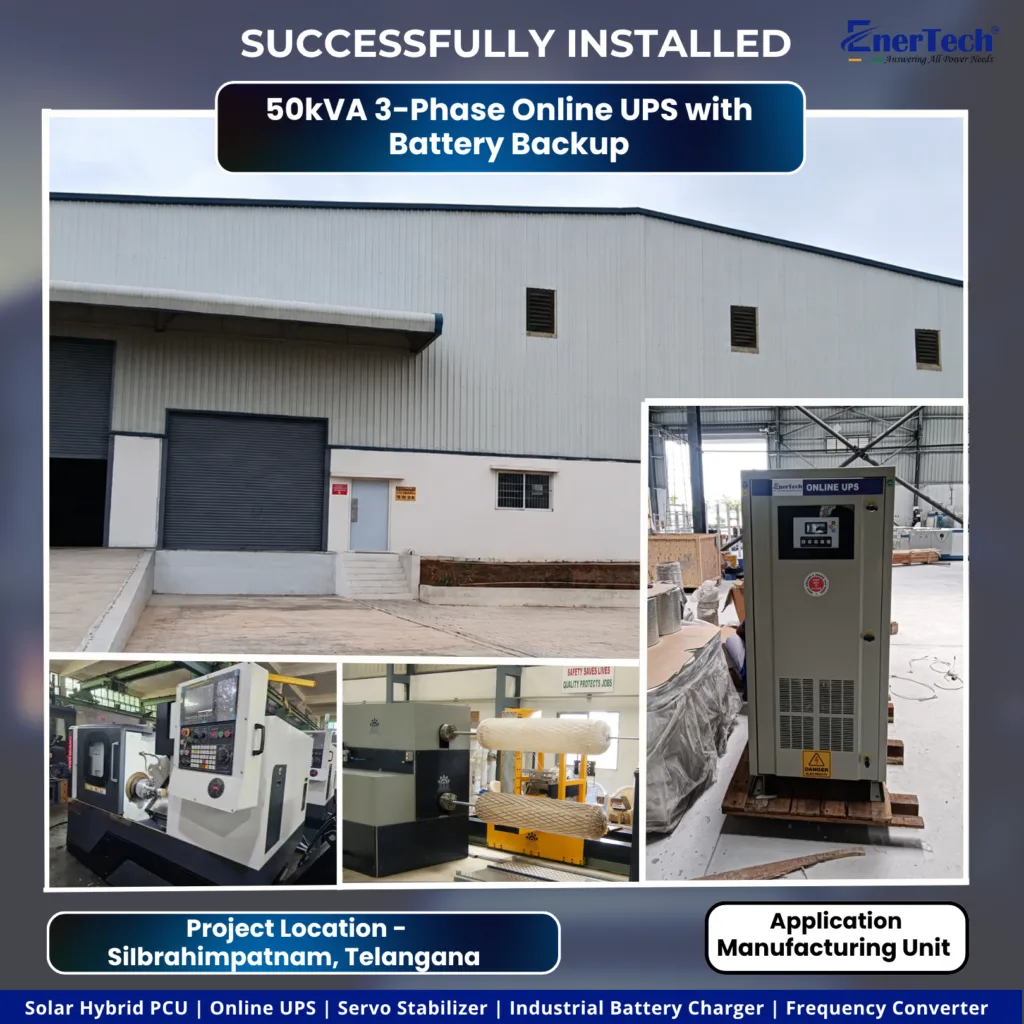
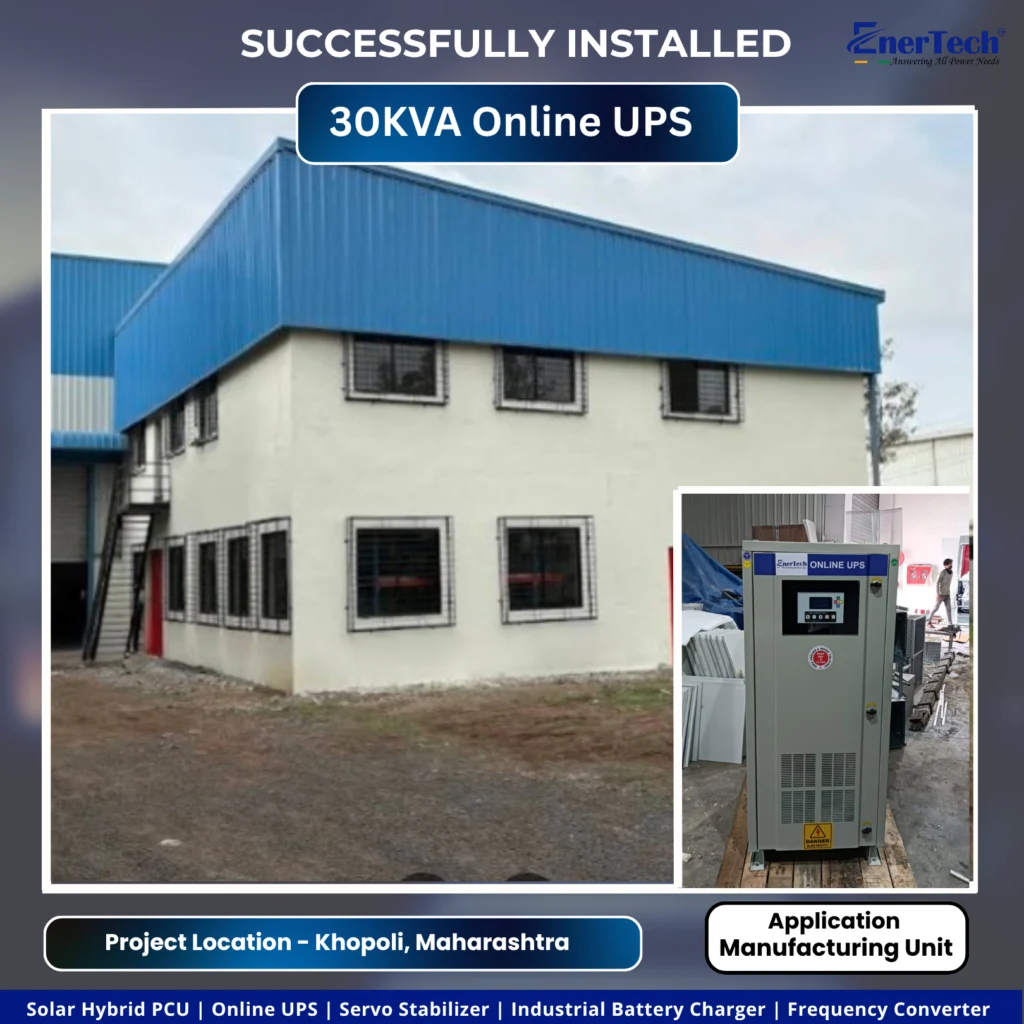
Delivering success through 35,000+ satisfied customers over the past 35+ years with our impeccable Battery Energy Storage System Installation.


Trusted by industries, businesses, and institutions for reliable solar and energy storage solutions. Proven performance backed by decades of engineering excellence and customer confidence.
Ready to integrate fuel cell technology into your power infrastructure? Our team of power electronics specialists is here to help you design the optimal solution.


A: Fuel cell inverters are specifically designed for the low-voltage, high-current DC output characteristics of fuel cells, with specialized soft-start and current limiting features. They also handle the slower dynamic response of fuel cells compared to solar panels.
A: Yes, our hybrid mode allows the inverter to blend power from both sources, prioritizing fuel cell power while using grid as backup or exporting excess fuel cell power to the grid.
A: The inverter automatically transitions to islanded mode within 10ms, providing uninterrupted power from the fuel cell without any load disturbance.
A: While not mandatory, we recommend battery integration for applications with rapid load transients, as it helps stabilize the system and extends fuel cell life.
A: With proper maintenance, EnerTech fuel cell inverters have a design life of 15-20 years with MTBF >100,000 hours.
A: Absolutely. Our R&D team can customize the inverter parameters to match any fuel cell manufacturer's specifications and voltage characteristics.