Ultimate Guide to Lithium Ion Battery for Inverter: Types, Benefits
In today’s world, uninterrupted electricity is more of a necessity than a luxury. Whether it’s for homes, offices, or solar-powered systems, an inverter with a reliable battery ensures smooth power backup. For decades, lead-acid batteries were the go-to option, but technology has advanced—and lithium ion battery for inverter has become the smarter choice.
Compared to conventional batteries, lithium-ion offers longer lifespan, faster charging, compact size, and zero maintenance. Plus, with options like 100Ah lithium battery, 200Ah lithium battery, and 48V lithium ion battery, you can easily choose the right fit for your energy needs.
This guide will walk you through everything you need to know before buying a lithium ion inverter battery—types, benefits, price considerations, and tips to make the right choice.
What is a Lithium Ion Battery for Inverter?
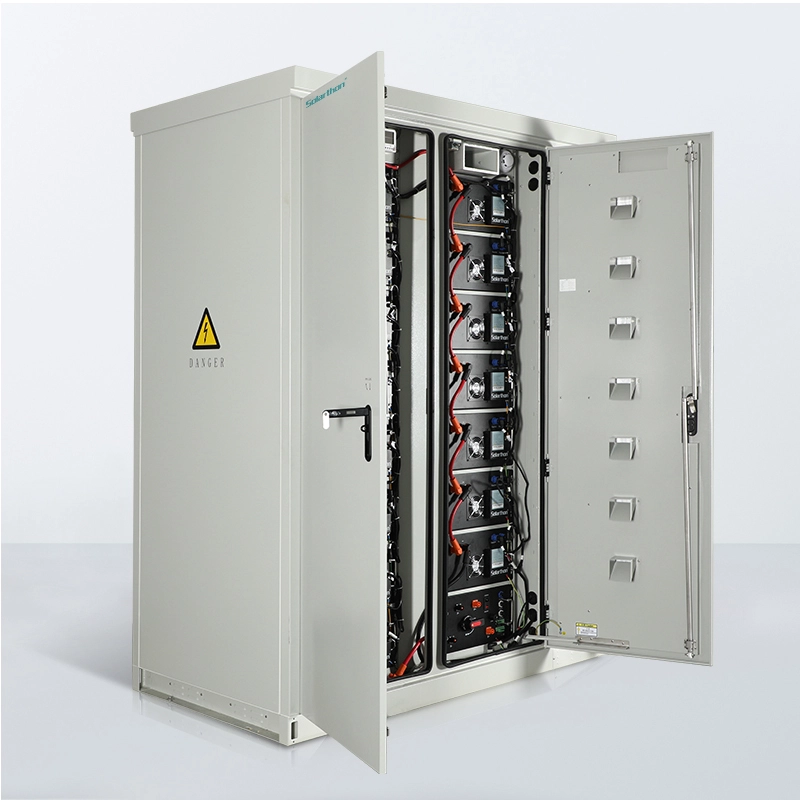
A lithium ion battery for inverter is a rechargeable battery that uses lithium ions to store energy and supply it when required. Unlike traditional lead-acid batteries, lithium-ion batteries are:
- Lighter & compact (take up less space)
- More efficient (charge faster, discharge slower)
- Long-lasting (up to 10 years or more with proper use)
When connected to an inverter, it powers your appliances during electricity outages or works as a steady backup for solar energy systems.
Benefits of Using Lithium Ion Battery for Inverter
Longer Lifespan and Durability
While lead-acid batteries typically last 3–4 years, a lithium ion battery for inverter can run for 8–10 years or more, depending on usage. This makes it a cost-effective investment in the long run.
Faster Charging & Higher Efficiency
Lithium batteries charge 3x faster than lead-acid batteries. They also offer a higher depth of discharge (DoD), meaning you can use 90–95% of the battery’s capacity without damaging it.
Compact Size and Lightweight
A 200Ah lithium battery weighs nearly half of a 200Ah lead-acid battery. This not only saves space but also makes installation much easier.
Maintenance-Free Operation
Forget about water topping, acid leakage, or corrosion. Lithium batteries are completely maintenance-free, which makes them user-friendly.
Eco-Friendly & Safe Choice
With built-in Battery Management Systems (BMS), lithium-ion batteries prevent overcharging, overheating, and short circuits. They are safer and more environmentally friendly compared to traditional options.
Different Lithium Ion Battery Options for Inverters
100Ah Lithium Battery for Inverter
- Best for: Small homes, 1BHK apartments, offices with light loads
- Backup capacity: Can power fans, lights, Wi-Fi, laptops, and a few essential appliances
- Advantages: Affordable, compact, lightweight, fast charging
200Ah Lithium Battery for Inverter
- Best for: Large homes, small businesses, or heavy-duty load requirements
- Backup capacity: Runs multiple fans, lights, TVs, refrigerators, and other appliances
- Advantages: Higher backup time, long-lasting, great ROI
48V Lithium Ion Battery
- Best for: Solar + inverter setups, commercial spaces, and scalable power systems
- Advantages: Higher efficiency, reduced wiring losses, better compatibility with advanced inverters
- Use Case: Perfect for those looking at renewable energy integration
How to Choose the Right Lithium Ion Battery for Your Inverter
Assess Your Power Requirements (100Ah vs 200Ah)
- For light usage (basic home appliances) → Choose 100Ah lithium battery
- For heavy usage (large appliances, multiple devices) → Go for 200Ah lithium battery
Voltage Compatibility (12V, 24V, 48V options)
- Small homes generally use 12V/24V systems
- Solar and commercial setups benefit from 48V lithium ion battery
Lithium Ion Battery for Inverter vs Lead-Acid Battery
| Feature | Lithium Ion Battery for Inverter | Lead-Acid Battery |
| Lifespan | 8–10 years+ | 3–4 years |
| Charging Time | 2–3 hours | 8–10 hours |
| Depth of Discharge | 90–95% | 50–60% |
| Maintenance | Zero | High |
| Size & Weight | Compact & lightweight | Heavy & bulky |
| Safety | Built-in BMS (safer) | Acid leaks, fumes |
| Cost (Initial) | Higher | Lower |
| Cost (Lifetime) | Lower (better ROI) | Higher (due to frequent replacements) |
Verdict: Lithium ion battery for inverter is a smarter long-term investment.
FAQs on Lithium Ion Battery for Inverter
Q1. How long does a 200Ah lithium battery last on an inverter?
A 200Ah lithium battery can provide 8–12 hours of backup, depending on load and inverter efficiency.
Q2. Can I use a 100Ah lithium battery for a 1BHK home?
Yes, it’s perfect for basic loads like lights, fans, Wi-Fi, and laptops.
Q3. Is a 48V lithium ion battery better for solar setups?
Absolutely. A 48V lithium ion battery reduces wiring losses, integrates better with solar systems, and is highly efficient.
Q4. How safe are lithium ion inverter batteries?
Very safe. Built-in BMS ensures overcharge protection, temperature control, and short-circuit prevention.
Conclusion
Choosing the right lithium ion battery for inverter can transform your power backup experience. With longer lifespan, higher efficiency, and zero maintenance, lithium-ion batteries are an investment worth making.
- For light usage, a 100Ah lithium battery is cost-effective and compact.
- For heavy usage, a 200Ah lithium battery ensures longer backup and reliability.
- For solar + inverter setups, a 48V lithium ion battery delivers unmatched efficiency.
Choose Enertech for High-Performance, Long-Lasting lithium ion battery for inverter!
Enertech has an answer for your search for premium-quality lithium ion battery for inverters. We’ve been serving in the solar business for years and have built an unmatched reputation through results that also forms the reason for our success. We focus on sustainable value and this approach of ours reflects in our products, to which inverters aren’t an exception. We provide exceptional consulting and remarkable after-sales support that enables our clients to make the right choice and nurture it for a long time. Click here to explore our lithium ion battery for inverter product range, or please email us at sales@enertechups.com to know the solar power inverter cost.


Comments are closed