Why Industrial Applications Need Reliable Float Chargers
A massive manufacturing plant suddenly undergoes a colossal grid failure. Automated assembly lines freeze. Machines stop working. The entire facility is forced into darkness. But not for long. In just a few milliseconds, the facility’s critical system switches to backup power. The entire unit roars back in action!
Now, what ensures these backup batteries have the juice to keep the company’s systems hydrated? The answer isn’t luck. It is science. Precisely, industrial float chargers. Industrial environments are critical. Therefore, even seconds of outage can lead to astronomical operational and commercial losses. So, how do float chargers prove to be a reliable solution for the industrial world?
Let’s understand it in this blog.
What are Industrial Float Chargers?
A float charger helps maintain the battery at its full charge level for extended periods without overcharging it. Conventional chargers continuously push high charging current into a battery. But a float charger supplies a controlled voltage that compensates for the battery’s self-discharge.
The charger remains connected to the battery continuously, ensuring the battery is perpetually ready for use. Once the battery reaches its full capacity, the charger auto-reduces the charging current and maintains a safe float voltage.
Why Choose Industrial Float Chargers – Benefits in the Industrial Context
Industrial float chargers are a strategic investment that proves to be advantageous in various industrial contexts. Here are some benefits.
-
Continuous Battery Readiness
In industrial environments, backup batteries may stay idle for a long time. Sometimes, weeks. In some cases, months. But a float charger keeps them fully charged and prepared for immediate operation during emergencies. In industrial systems, backup batteries may remain idle for weeks or months.
-
Prevents Overcharging
Overcharging can hamper battery life, causing overheating. In some cases, it can damage battery cells. But float chargers regulate voltage to prevent these concerns.
-
Extends Battery Life
Industrial float chargers also help maintain the proper charging voltage, reducing battery stress and sulfation, and increasing overall battery lifespan.
-
Reduces Maintenance Costs
When a battery stays healthy, it requires fewer replacements and less maintenance. For industries with a large number of batteries, this can help lower operational costs.
-
Ensures System Reliability
Many industrial systems, such as UPS units, substations, emergency lighting, and communication networks, depend on reliable batteries. Float chargers ensure these systems remain usable and optimally functional during outages.
-
Energy Efficient Operation
Top-quality, modern float chargers are capable of efficient power conversion technology. It helps minimize energy use while maintaining battery performance.
Key Features of Industrial Float Chargers
Industrial float chargers offer several features that cater to the diverse requirements of demanding industrial environments. Some of these include:
- Automatic Voltage Regulation: The charger auto-adjusts voltage levels to maintain optimal charging conditions.
- Overcharge Protection: The charger also prevents excessive charging that may damage the battery or reduce its lifespan.
- Temperature Compensation: Some advanced chargers can monitor ambient temperature and adjust charging voltage to protect batteries.
- Current Limiting: The charger also controls charging current to prevent overheating or battery stress.
- Short Circuit Protection: Industrial float chargers can protect the charger and connected equipment from electrical faults.
- LED or Digital Monitoring: Advanced float chargers have status indicators or digital displays that enable you to monitor charging conditions easily.
- Compact and Durable Design: The rugged construction of industrial float chargers helps them endure harsh environments.
How Do Industrial Float Chargers Work?
Industrial float chargers follow a simple yet powerful working mechanism that makes them an integral part of critical industrial environments.
- When connected to a battery, the charger recharges the battery.
- As the battery approaches full capacity, the charger slowly reduces the charging current.
- Once fully charged, the charger maintains the battery at a preset float voltage.
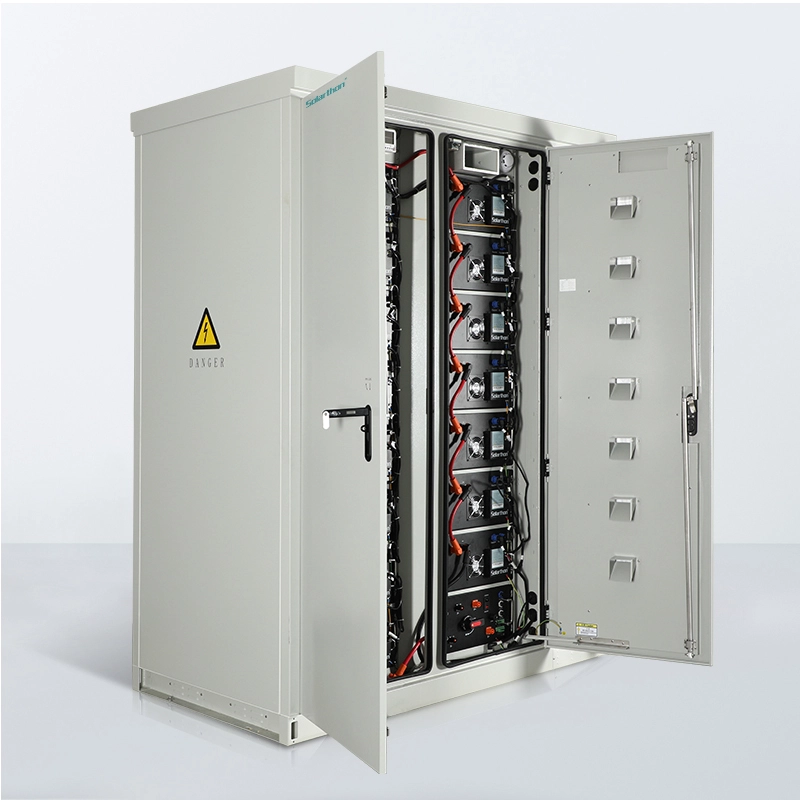
In industrial applications, float chargers stay connected to battery banks and power systems. So, during normal operations, the charger powers the connected DC load while maintaining battery charge. When AC power fails, the battery instantly supplies backup power to the system.
Applications of Industrial Float Chargers
Float chargers have a range of applications across the industrial horizon. Some common ones include:
- Power Plants and Substations
- Telecommunication
- UPS Systems
- Data Systems
- Oil and Gas Industry
- Railways and Transportation
- Industrial Automation
- Renewable Energy Systems
Each industry has its unique needs and extent of requirements. Consulting with an expert and installing the float charger that precisely serves your industry can help you optimize your investment and achieve maximum RoI.
Specifications of Industrial Float Chargers
The specifications of each industry float charger vary based on the company that manufactures it. However, the specifications of float chargers of a leading company like EnerTech include:
- Range: 24V/48V/110V/220V/360V Up to 800Amp
- Type: FCBC | Dual FCBC | FC+FCBC
- Phase: 1-1 | 3-3
- Charger: Industrial Battery Charger
- Isolation: Transformer-based for complete isolation
- Battery Types Supported: Lithium-ion, lead-acid, VRLA
- Cooling System: Forced air cooling with temperature-controlled fans
- Display: LCD/LED display for monitoring and diagnostics
- Enclosure Type: Industrial-grade, IP 20 to IP 65 (customizable)
- Protection Features: Safety features, for example, overcurrent, overvoltage, and short circuit
Final Words
Power reliability is no longer optional. In today’s demanding, challenging, and sensitive industrial environment, it has become imperative. While maintaining battery health, a float charger helps ensure uninterrupted backup power and extend battery life. Now, if you want to embrace power reliability with an industrial float charger, partner with EnerTech. We are one of the trusted manufacturers of float chargers with a range of features and specifications that redefine reliability, battery health, and continuous power supply. We’d be glad to serve you. So, email us at sales@enertechups.com.
Frequently Asked Questions
Q1: What is the main purpose of a float charger?
It is to maintain a battery at full charge without overcharging it, ensuring the battery is always ready for use when needed.
Q2: Does a float charger stay connected continuously?
Yes. Industrial float chargers stay connected continuously and ensure long-term battery maintenance.
Q3: Which industries use float chargers the most?
Industries such as manufacturing, railways, power generation, telecommunications, data centers, and oil and gas widely use float chargers.
Q4: Can a float charger charge a fully discharged battery?
It depends on the model. Top-tier industrial float chargers often have a multi-stage profile. So, the charger will begin in Bulk mode to revive a heavily discharged battery before auto-switching to Float mode when it reaches capacity.
Q5: What happens if the float voltage is too low?
It can lead to undercharging. The battery will gradually self-discharge, resulting in lead sulfate hardening on the internal plates, reducing the battery’s capacity and runtime.
Q6: How long can a battery stay connected to a float charger?
It can stay connected indefinitely. A well-calibrated, premium industrial float charger can remain connected to a battery bank without causing any harm.
Q7: How to select the right float charger?
You must consider a range of factors, including current capacity, battery voltage, protection features, application type, and environmental conditions.