What is a 10-Kilowatt Inverter? A Comprehensive Guide
Rising energy costs and frequent power outages are pushing homeowners and businesses toward affordable and sustainable alternatives — especially solar energy. As a result, solar systems are becoming increasingly common across residential, commercial, and industrial rooftops.
A solar setup consists of multiple components, but beyond panels, one of the most critical elements is the solar inverter. By converting direct current (DC) into alternating current (AC), managing battery storage, and prioritizing solar power usage, inverters play a central role in achieving energy independence.
Inverters come in various capacities, and one of the most powerful and popular options is the 10-kilowatt inverter. If you are planning to switch to solar, understanding what a 10kW single-phase hybrid inverter offers will help you make an informed decision.
What is a 10-Kilowatt Hybrid Inverter?
A 10kW hybrid inverter combines the functions of a solar inverter and a battery inverter. It converts DC electricity from solar panels into AC electricity for household or commercial use. Additionally, it manages battery storage and interacts with the utility grid.
A hybrid inverter intelligently directs energy from:
- Solar Panels: Primary energy source to meet immediate power needs.
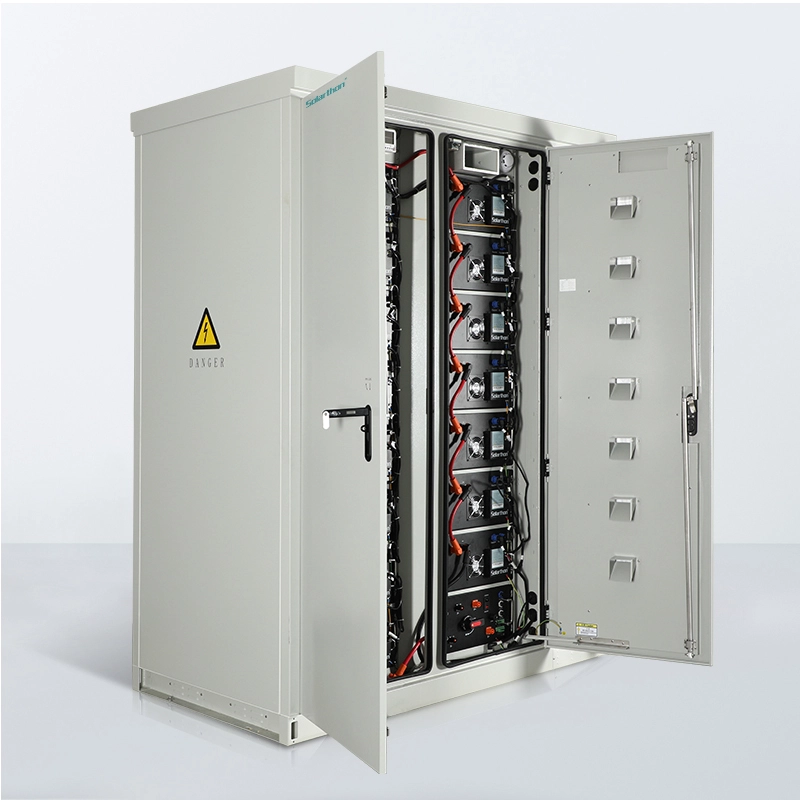
- Batteries: Stores excess solar energy for night use or emergencies.
- Utility Grid: Supplies power when solar and battery sources are insufficient.
The “10kW” rating means the inverter can handle up to 10,000 watts of power output at any given time. This capacity makes it suitable for large homes, small commercial setups, and energy-intensive operations.
Benefits of Installing a 10kW Solar Inverter
1. Energy Independence
A 10kW solar hybrid inverter prioritizes energy in the order of Solar → Battery → Grid. During the day, solar energy powers your appliances and charges the battery. At night or during low generation periods, stored battery energy is used. When both sources are insufficient, the grid acts as a backup.
This reduces dependence on utility providers and protects you from rising electricity tariffs.
2. Efficient Energy Management
Modern hybrid inverters use intelligent algorithms to optimize solar generation and battery charging. This ensures maximum self-consumption of the energy you produce, minimizing wastage.
3. Reduced Electricity Bills
By storing solar energy and reducing grid reliance during peak tariff hours, a 10kW inverter significantly lowers monthly electricity expenses.
4. Scalability and Future Upgrades
Hybrid systems are scalable. You can expand battery capacity or integrate EV charging systems in the future without replacing the entire setup.
Installation Considerations for a 10kW Hybrid Solar System
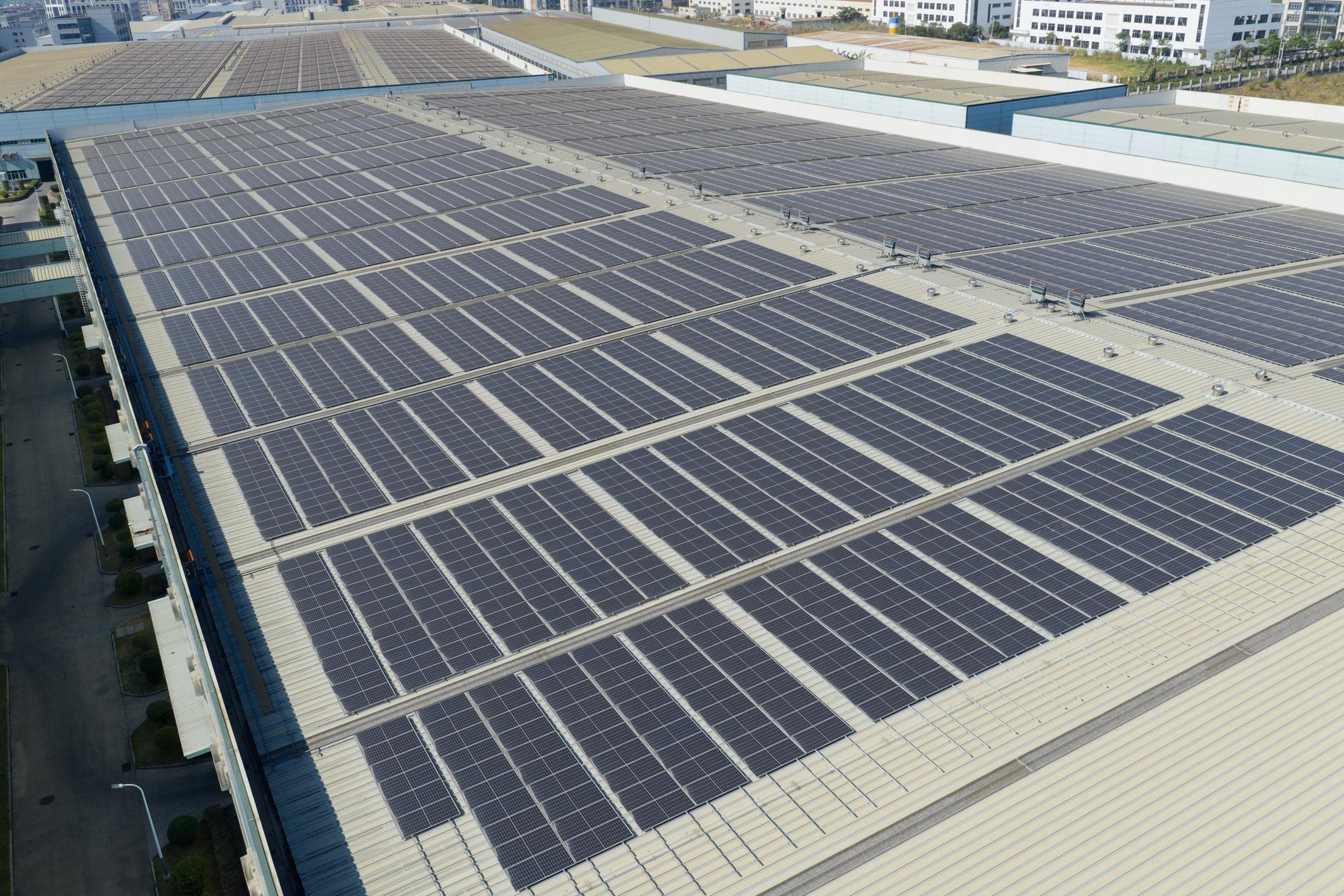
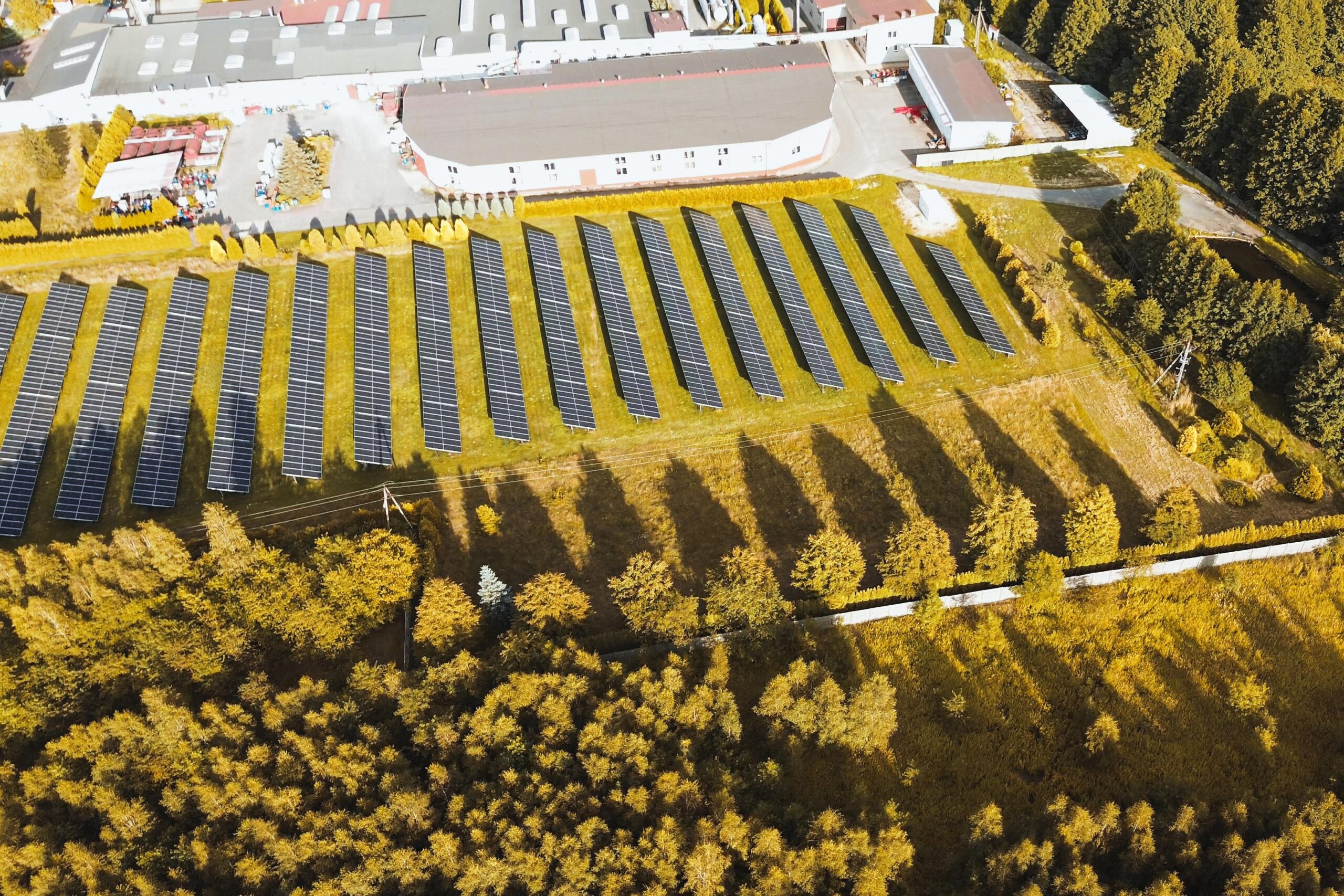
- Roof Space: A 10kW system typically requires 25–35 solar panels, depending on panel wattage.
- Battery Size: Common battery capacities paired with a 10kW inverter range between 10kWh and 20kWh.
- Local Regulations: Net metering and grid interconnection policies vary by region. Ensure compliance before installation.
- Professional Installation: Always rely on certified solar professionals for safety, optimal performance, and regulatory compliance.
Can a 10kW Inverter Run an Entire House?
Yes. In most medium to large homes, a 10kW system can power essential appliances simultaneously, including air conditioners, refrigerators, washing machines, lighting systems, and more. However, performance ultimately depends on total load and usage patterns.
Final Words
Choosing a 10-kilowatt inverter is not merely a technical decision — it is a strategic investment in long-term energy security. With its high capacity, intelligent energy management, and scalability, a 10kW hybrid inverter is ideal for households and small commercial establishments seeking energy independence.
EnerTech manufactures advanced solar hybrid inverters engineered to optimize solar utilization, reduce grid dependence, and lower energy costs.
To learn more about our inverter range, email us at
sales@enertechups.com
or call +91 9822407189.
Frequently Asked Questions
For whom is a 10kW solar hybrid inverter suitable?
It is ideal for large households with high electricity consumption, properties experiencing frequent outages, and small commercial operations seeking energy independence.
How much is a 10kW single-phase hybrid inverter price?
The price depends on brand, technology, battery integration, and region. Contact us at sales@enertechups.com or +91 9822407189 for detailed pricing.
Can a 10kW inverter support battery storage?
Yes. Hybrid inverters are designed to integrate with battery systems, allowing you to store excess solar energy for later use.