How Off Grid Solar Inverters Are Powering Industrial Operations in Remote Areas
A complete guide to understanding the role of the off grid solar inverter in transforming energy access for industries beyond the grid
In an era defined by energy challenges and industrial expansion into uncharted territories, the off grid solar inverter has emerged as a cornerstone technology. From mining sites in the Himalayas to agricultural processing units in sub-Saharan Africa, these devices are silently revolutionizing how industries access, manage, and sustain power — entirely independent of the conventional electricity grid. As global industries push into more remote geographies, the demand for reliable, renewable, and autonomous power solutions has never been greater.
What is an Off Grid Solar Inverter?
An off grid solar inverter is a sophisticated power conversion device that transforms direct current (DC) electricity — generated by solar panels and stored in battery banks — into alternating current (AC) electricity suitable for running industrial equipment, machinery, and appliances. Unlike grid-tied inverters, off grid variants function autonomously, requiring no external utility connection whatsoever.
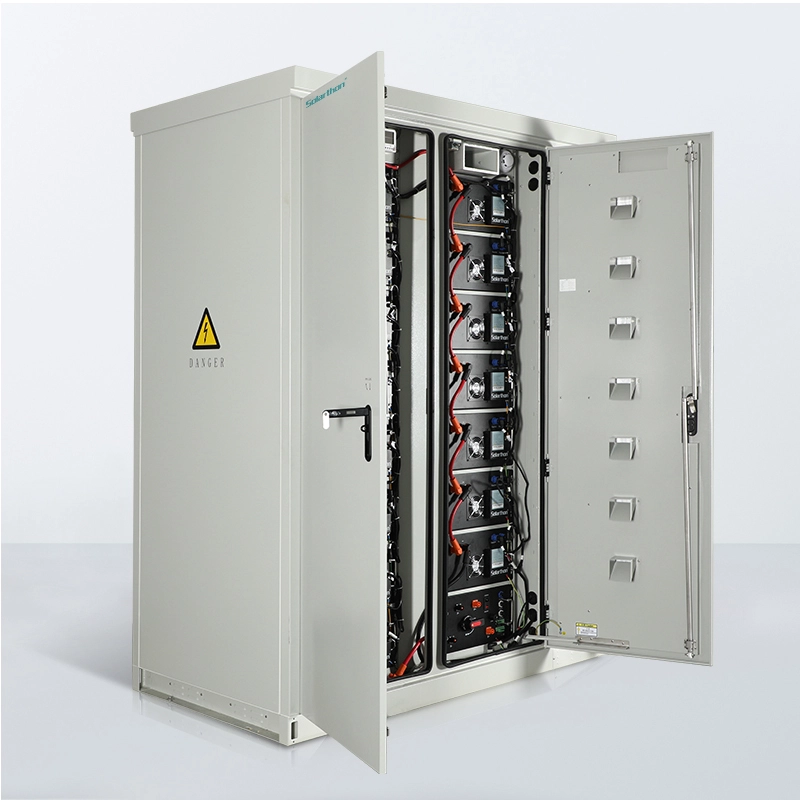
These inverters integrate charge controllers, battery management systems, and power regulation circuits into a single robust unit. They are engineered to operate reliably under harsh environmental conditions, including extreme temperatures, dust, humidity, and fluctuating solar irradiance levels — making them ideal for remote industrial deployment.
Why Choose an Off Grid Solar Inverter?
Industries in remote areas face a persistent challenge: the cost and logistical complexity of extending the electrical grid to their site often renders conventional power infrastructure economically unviable. Diesel generators, the traditional fallback, are expensive, maintenance-heavy, and environmentally damaging.
The off grid solar inverter offers a compelling alternative: zero fuel dependency, significantly lower operational costs after initial installation, near-silent operation, and a lifespan exceeding 10–15 years. Additionally, government incentives and declining solar hardware costs have made these systems increasingly attractive for industrial-scale adoption globally.
Key Features of an Off Grid Solar Inverter
Pure Sine Wave Output
Delivers clean AC power compatible with sensitive industrial equipment and motor-driven loads.
MPPT Charge Controller
Maximises solar energy harvest across varying light conditions for peak efficiency.
Battery Management
Protects battery banks from overcharge, deep discharge, and thermal runaway.
Wide Input Voltage Range
Accommodates voltage fluctuations common in remote solar arrays without damage.
Remote Monitoring
IoT-enabled dashboards allow real-time system health tracking from anywhere.
Surge Protection
Handles high inrush currents from industrial motors without tripping or failure.
Empowering Remote Industries with Off Grid Solar Inverters
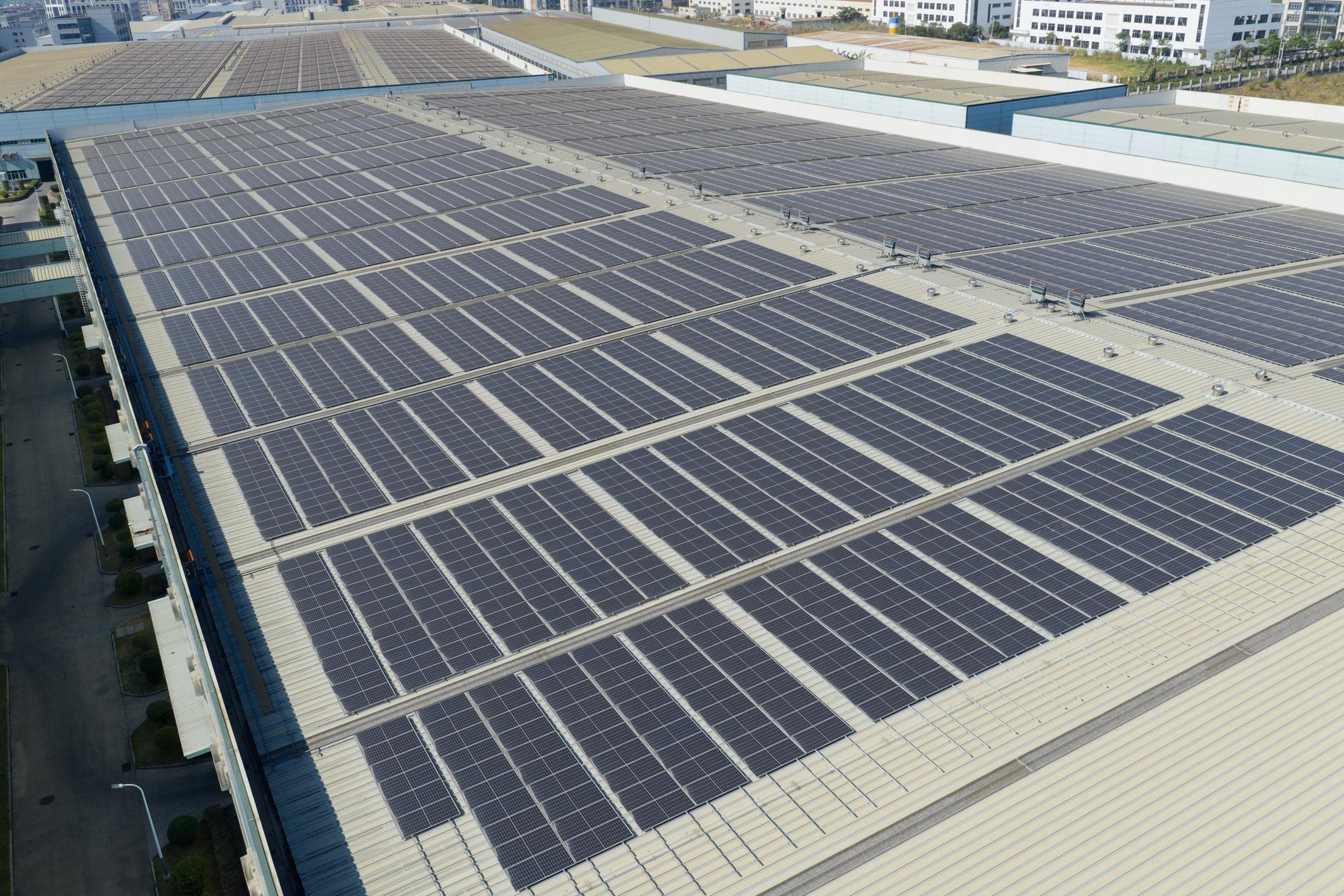
The industrial applications of off grid solar inverters span a remarkable range of sectors. In the mining industry, remote extraction sites in regions like the Atacama Desert and central African highlands now deploy solar-inverter systems powering ventilation fans, ore conveyors, and processing equipment — slashing diesel consumption by up to 70%.
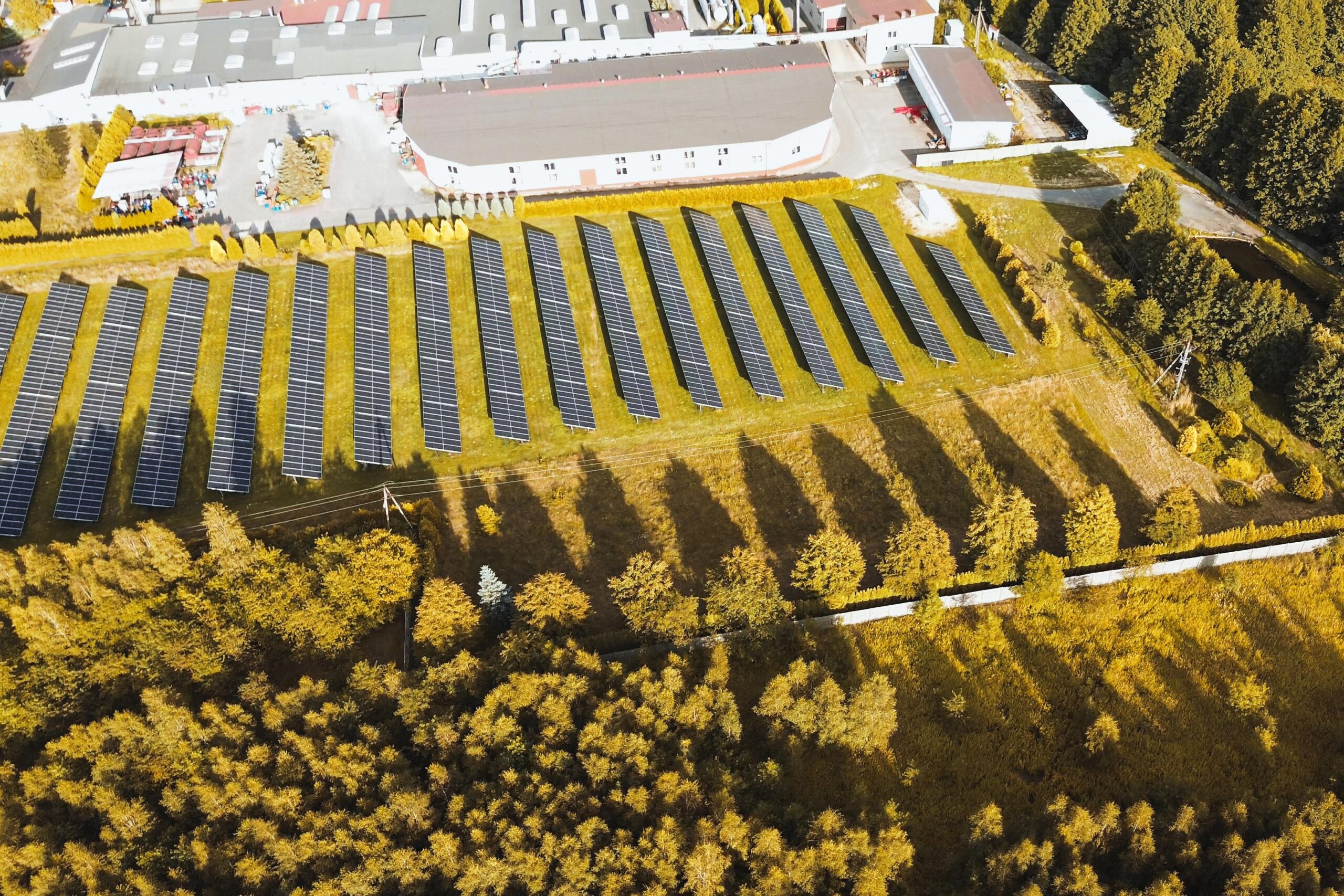
In agriculture, large-scale irrigation networks in remote Indian districts use off grid solar inverter arrays to run submersible pumps around the clock. Telecom towers across Southeast Asia’s dense forest zones are increasingly solar-powered, maintaining network uptime in areas where grid extension would cost millions.
Oil and gas exploration camps, construction sites, and military forward operating bases have all adopted scalable off grid solar inverter solutions to reduce their logistical burden while maintaining operational continuity. The ability to deploy modular systems — starting at 5 kVA and scaling to multi-megawatt microgrids — makes this technology uniquely adaptable to industrial needs of any scale.
Final Thoughts
The off grid solar inverter is no longer a niche solution reserved for small households or experimental setups. It has evolved into a proven, industrial-grade technology capable of powering some of the world’s most demanding operations in the most inaccessible locations on earth. As climate targets tighten, energy costs rise, and industrial expansion continues into remote geographies, these systems will only grow more indispensable.
Investing in a high-quality off grid solar inverter today is not just an energy decision — it is a strategic business decision that reduces operational costs, ensures energy independence, and future-proofs your industrial operations against grid vulnerabilities and fuel price volatility.
EnerTech UPS Pvt Ltd delivers industry-leading off grid solar inverter solutions engineered for demanding industrial environments. Let our experts design the
Frequently Asked Questions
What is the difference between an off grid and a hybrid solar inverter?
An off grid solar inverter operates entirely independent of the utility grid, relying solely on solar panels and batteries. A hybrid inverter can connect to both the grid and a battery bank, switching between sources intelligently. Off grid systems are preferred for locations with no grid access, while hybrid inverters suit grid-connected sites seeking backup.
How long can an off grid solar inverter power an industrial load?
Runtime depends on battery bank capacity and load wattage. A properly sized system with adequate battery storage can sustain industrial operations through 2–3 days of poor sunlight. For continuous 24/7 industrial operations, systems are typically sized for 1–2 days of autonomy paired with a backup generator.
Can an off grid solar inverter run three-phase industrial motors?
Yes. Industrial-grade off grid solar inverters are available in three-phase configurations specifically designed for motors, compressors, and heavy machinery. They feature high surge capacity to handle the inrush current during motor startup without voltage collapse or shutdown.
How do I size an off grid solar inverter for my industrial site?
Sizing involves calculating total connected load (kW), peak demand including motor surge, daily energy consumption (kWh), and available peak sun hours at the site. A qualified energy consultant or manufacturer like EnerTech UPS Pvt Ltd can perform a detailed load assessment and recommend an appropriately sized system.
Are off grid solar inverters suitable for extreme weather conditions?
Industrial-grade off grid solar inverters are designed for harsh environments. They carry higher protection ratings, operate across wide temperature ranges (-20°C to +60°C), and feature weather-resistant enclosures. Units deployed in desert, arctic, or high-humidity coastal environments benefit from additional thermal management and corrosion protection options.
What maintenance does an off grid solar inverter require?
Off grid solar inverters are largely maintenance-free electronically. Routine maintenance includes cleaning solar panels every 1–3 months, inspecting cable connections bi-annually, checking battery electrolyte levels (for lead-acid batteries), and updating firmware when available. Remote monitoring systems can alert operators to faults before they escalate.