48 Volt Solar Inverter: Complete Guide to Efficient and Scalable Power Solutions
Adopting solar energy is undoubtedly a visionary move. But with that, you are just halfway through. You also need the right inverter to accomplish your sustainability goals, reduce grid dependence, and optimize solar energy use. So, the next obvious thing that would come to your mind is the wide range of inverter options. Among the most popular options is a 48-volt solar inverter. Known for its efficiency, scalability, and compatibility with modern energy systems, a 48-volt solar inverter is considered a prudent alternative for residential and commercial users. This guide explains everything.
What is a 48 Volt Solar Inverter?
A 48-volt solar inverter converts direct current (DC) electricity that solar panels generate into alternating current (AC) electricity to power household appliances. The “48 volt” means the voltage of the battery bank connected to the inverter. A 48-volt inverter is used in medium to large solar installations, including homes, offices, and small industries.
Why Choose a 48 Volt Solar Inverter?
Selecting the right inverter can impact the performance of your solar system. A 48B system stands out for the following benefits.
- Higher Efficiency: A 48V system reduces current flow for the same power output, minimizing energy losses and improving overall efficiency.
- Better Scalability: With a 48V inverter, it is easier to add more panels and batteries without requiring complete system overhauls or major upgrades.
- Reduced Heat and Energy Loss: Lower current refers to less heat generation in wires and components. This can help enhance the system’s longevity.
- Affordability: The initial investment in a 48V solar inverter may be slightly higher than that of lower voltage systems. However, you must focus on the value delivered in terms of savings in wiring, maintenance, and efficiency.
Key Features of a 48 Volt Solar Inverter
Modern 48-volt solar inverters have advanced features that help enhance performance and functionality. Some of them include the following.
- High Power Capacity: To run heavy appliances like ACs, refrigerators, and pumps.
- Pure Sine Wave Output: For smooth and stable electricity for sensitive electronics.
- Battery Compatibility: Works with lithium-ion and lead-acid battery types.
- Hybrid Functionality: Seamless solar, grid, and generator input integration.
- Smart Monitoring: Wi-Fi or app-based monitoring for real-time system tracking.
- Safety Protections: Overload, short circuit, and over-temperature protection.
- Built-in MPPT (Maximum Power Point Tracking): Optimal energy extraction from solar panels.
How Does a 48 Volt Solar Inverter Work?
Here’s a how a 48V solar inverter works.
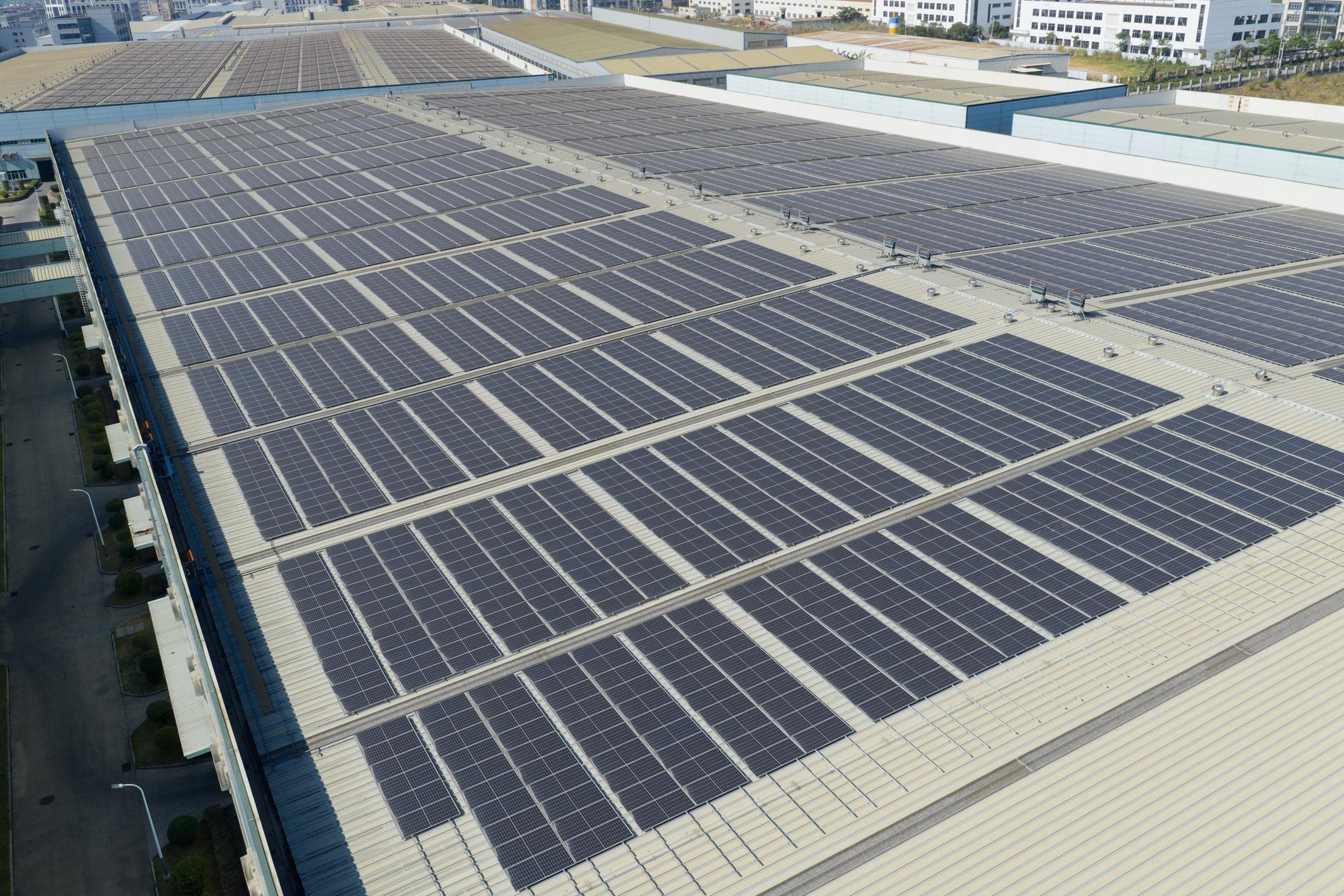
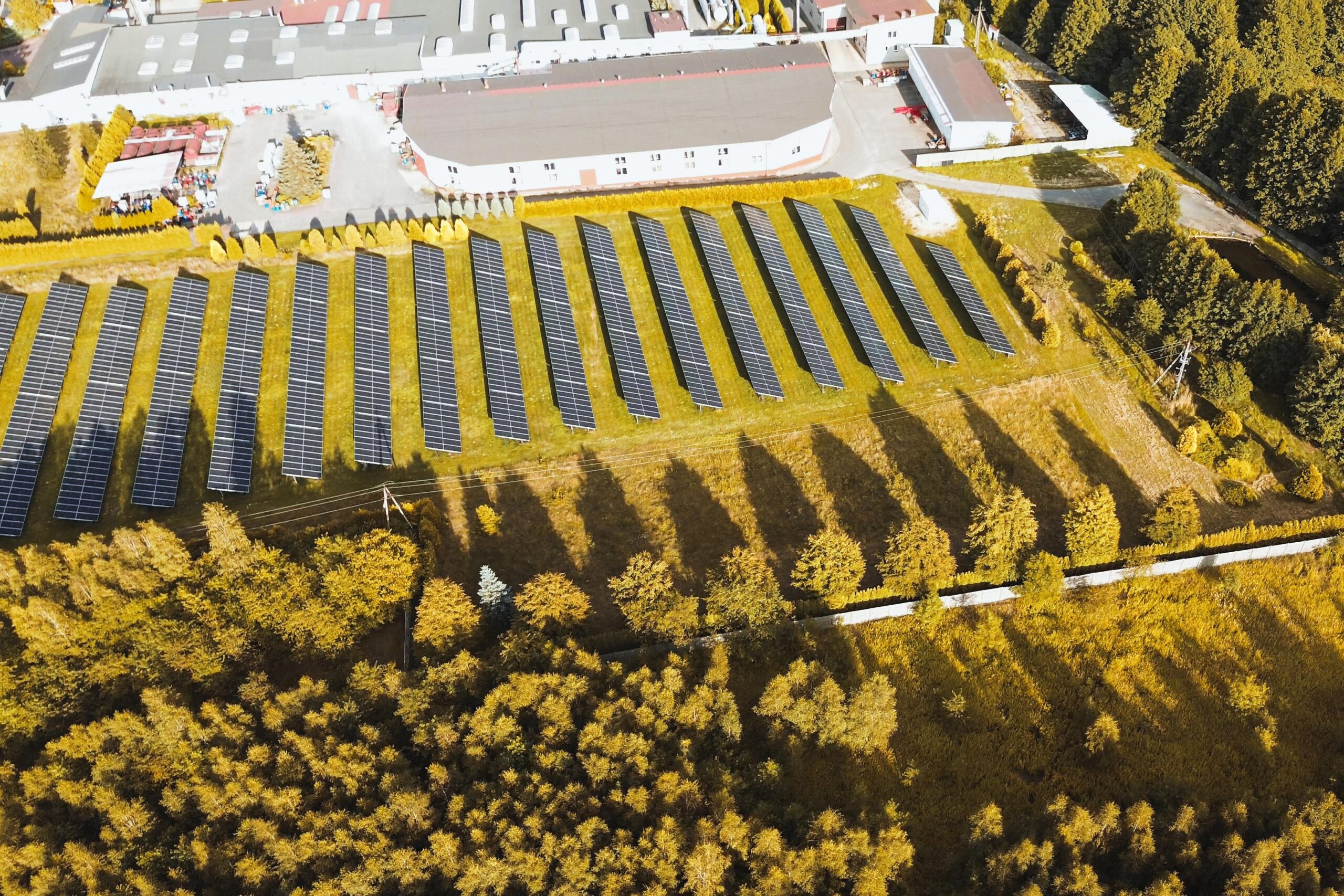
- Solar panels capture sunlight and generate DC electricity.
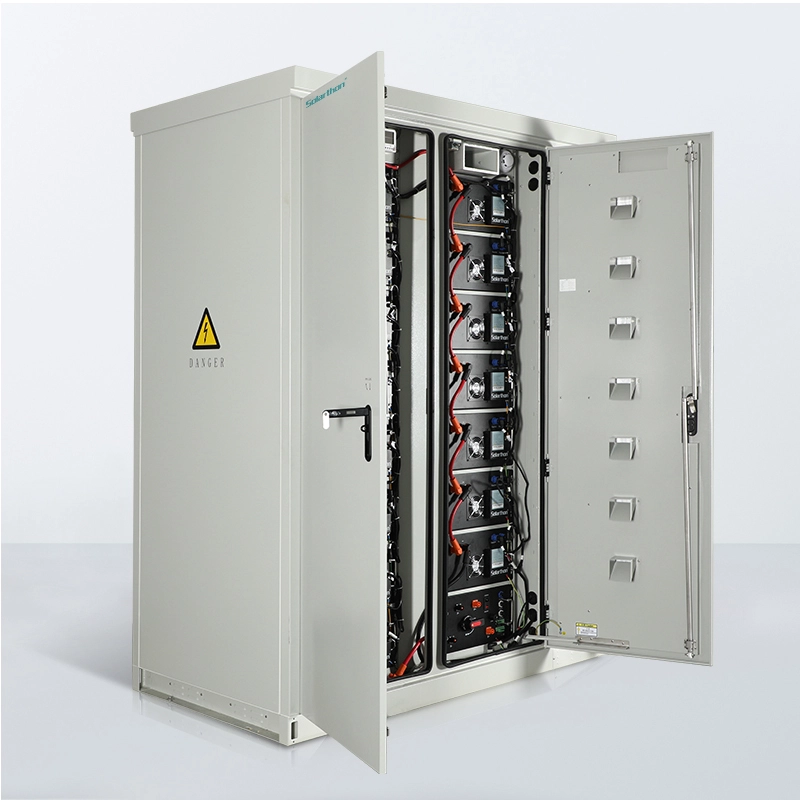
- The DC power is stored in a 48V battery bank for later use.
- The inverter converts stored DC into AC to power appliances.
- The AC power is distributed to your home or facility.
- Advanced inverters prioritize solar battery, and then grid power if needed.
Applications of a 48 Volt Solar Inverter
A 48-volt solar inverter enjoys widespread applications across the following.
- Residential Homes: Households, particularly in areas with frequent power cuts.
- Commercial Establishments: Offices, shops, and small businesses
- Small Scale Industrial Use: Machines and equipment to ensure consistent power.
- Off-Grid Systems: Remote locations without grid access
- Hybrid Solar Systems: Grid-tied systems with battery backup to achieve energy independence.
Conclusion
A 48-volt solar inverter is a robust solution for everyone looking to invest in solar energy. It can handle higher loads, reduce energy losses and support system expansion. Therefore, it is a preferred choice for modern energy needs.
So, whether you are setting up a new solar system or upgrading the existing one, a 48V solar inverter, particularly the one manufactured by a leading manufacturer, helps balance performance, reliability, and scalability. This is also where EnerTech steps in.
We manufacture a broad array of solar inverters that help residential, commercial, and industrial setups of varying sizes achieve energy independence, curb electricity costs, and prioritize solar energy. Want to explore our solar inverter products? Please email us at sales@enertechups.com.
Frequently Asked Questions
Is a 48V solar inverter better than a 24V?
Yes. It is usually more efficient and suitable for larger power needs than 24V systems.
How many solar panels are needed for a 48V system?
The number of panels you need depends on how much energy you consume and panel wattage. But you would usually need more panels to match the higher voltage system.
Can I use lithium batteries with a 48V inverter?
Yes. Most 48V inverters are compatible with lithium-ion and lead-acid batteries.
Is a 48V solar inverter suitable for homes?
Yes. A 48V solar inverter is ideal for medium to large homes, particularly those that have higher energy requirements.
What appliances can run on a 48V inverter?
A 48-volt solar inverter can help run appliances such as refrigerators, air conditioners, washing machines, and many others.
Does a 48V inverter reduce electricity bills?
Yes. A 48V inverter can help curtail your energy bills by optimizing solar energy use and reducing dependencies on the conventional grid.
Can I expand my system later?
Yes. A 48V system is highly scalable. Therefore, it allows you to add more panels and batteries easily.
Is the installation complicated?
Not when you have a professional installer by your side. Hence, it is recommended that you partner with an expert installation professional to ensure safe and proper installation. Your manufacturer must also provide installation service.