Energy Solutions can help you reduce your electricity bills

Commercial Enquiry :
+919373336340 | +919822407189
sales@enertechups.com
Customer Care & Support: +919373679255 support@enertechups.com
Careers:
+919075088292
hr@enertechups.com
Energy Solutions can help you reduce your electricity bills
Commercial Enquiry :
+919373336340 | +919822407189
sales@enertechups.com
Customer Care & Support: +919373679255 support@enertechups.com
Careers:
+919075088292
hr@enertechups.com
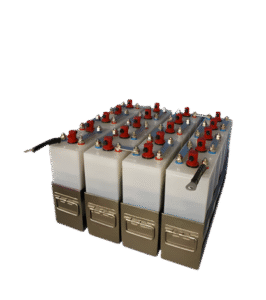
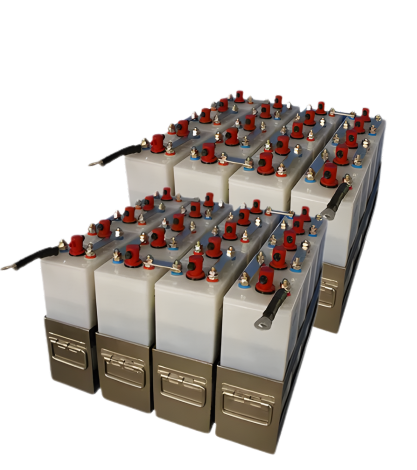
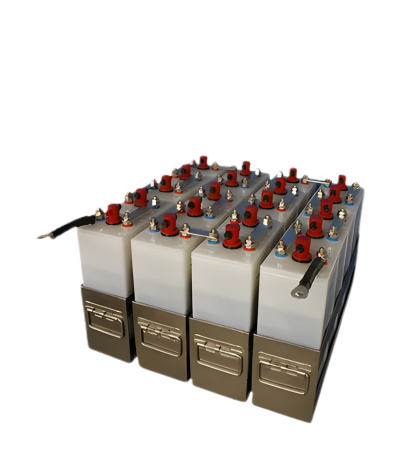
EnerTech offers high-performance Ni-Cad batteries designed for demanding industrial environments. Known for superior reliability in extreme temperatures, long service life, and low maintenance, our Nickel Cadmium batteries are ideal for railways, defence, aviation, telecom, and power utility applications across India.
| Technical | Specification |
|---|---|
| Parameter | Ni-Cad Battery Specification |
| Chemistry | Nickel-Cadmium (NiCd) |
| Nominal Cell Voltage | 1.2V per cell |
| Charged Voltage | 1.45-1.5V per cell |
| Discharge Cutoff | 1.0V per cell (typical) |
| Specific Energy | 40-60 Wh/kg |
| Energy Density (Volumetric) | 50-150 Wh/L |
| Cycle Life (80% DOD) | 1,500-2,000 cycles (pocket plate) |
| Cycle Life (50% DOD) | 3,000-4,000 cycles |
| Calendar Life | 15-20+ years (industrial) |
| Self-Discharge Rate | 10-20% per month @ 20°C |
| Charge Efficiency | 70-90% |
| Operating Temperature (Charge) | 0°C to +45°C |
| Operating Temperature (Discharge) | -40°C to +60°C |
| Continuous Discharge Rate | 1C standard |
| Pulse Discharge Rate | 10-20C (engine starting) |
| Charge Rate | C/10 standard (trickle charge) |
| Overcharge Tolerance | Excellent (can float indefinitely) |
| Overdischarge Tolerance | Excellent (recovers from 0V) |
| Memory Effect | Minimal (largely misunderstood myth) |
| Maintenance | Moderate (vented types require water) |

Ni-Cad batteries operate reliably from -40°C to +60°C without significant performance degradation. Unlike lead-acid batteries that freeze and lithium batteries that cannot charge below 0°C, Ni-Cad cells start diesel generators at -30°C and deliver consistent power in desert heat exceeding 50°C.

Ni-Cad batteries withstand continuous overcharge (at C/10 rate) without damage—critical for float applications where precise charge termination is impractical. They also tolerate complete discharge to 0V and recover fully, unlike lead-acid which suffers permanent sulfation or lithium which risks copper dissolution.

Ni-Cad cells deliver very high pulse currents (10-20C rates) without voltage collapse—essential for diesel engine starting, aircraft ground power, and emergency lighting systems. This capability remains stable throughout the battery's life, not degrading like lead- acid.
Properly maintained Ni-Cad batteries serve 15-20+ years in industrial environments where lead-acid would require replacement every 3-5 years. This longevity justifies higher initial cost for applications where battery replacement is difficult or expensive.
Ni-Cad cells withstand vibration, shock, and mechanical stress that would damage other battery types. Ruggedized designs for military and aerospace applications can survive conditions lethal to consumer battery technologies.
Traditional design with liquid electrolyte requiring periodic water addition. Used in large stationary applications like substations, railway systems, and telecommunications central offices.
Traditional design with liquid electrolyte requiring periodic water addition. Used in large stationary applications like substations, railway systems, and telecommunications central offices.
Sealed design with internal gas recombination, eliminating water maintenance. Used in aviation, UPS systems, and applications where maintenance access is limited.
| Characteristic | Ni-Cad | Lead-Acid (VRLA) |
|---|---|---|
| Operating Temperature | -40°C to +60°C | +10°C to +30°C (optimal) |
| Cold Cranking Performance | Excellent | Poor below 0°C |
| Overcharge Tolerance | Excellent | Poor (dries out) |
| Discharge to 0V Recovery | Full recovery | Permanent damage |
| Vibration Resistance | Excellent | Moderate |
| Service Life (Harsh Environment) | 15–20 years | 3–5 years |
| Discharge Rate Capability | 10–20C pulse | 5–8C pulse |
| Maintenance | Moderate (vented) | Low (sealed) |
| Initial Cost | 4–8× higher | Baseline |
| Total Cost of Ownership | Lower (long-term) | Higher (replacements) |
| Environmental Concerns | Cadmium toxicity | Lead toxicity |
| Recycling Infrastructure | Limited | Excellent (97%+) |
| Characteristic | Ni-Cad | Lithium LFP |
|---|---|---|
| Energy Density | 40–60 Wh/kg | 90–160 Wh/kg |
| Operating Temperature | -40°C to +60°C | -20°C to +50°C |
| Charging Below 0°C | Possible | Prohibited (damage) |
| Overcharge Tolerance | Excellent | Requires BMS |
| Discharge to 0V | Full recovery | Permanent damage |
| Cycle Life | 1,500–2,000 | 6,000–8,000 |
| Proven Track Record | 100+ years | 25 years |
| High Rate Discharge | 10–20C | 1–3C typical |
| Initial Cost | High | Moderate |
| Maintenance | Moderate | Zero |
| Regulatory Acceptance | Universal | Evolving (shipping, aviation) |
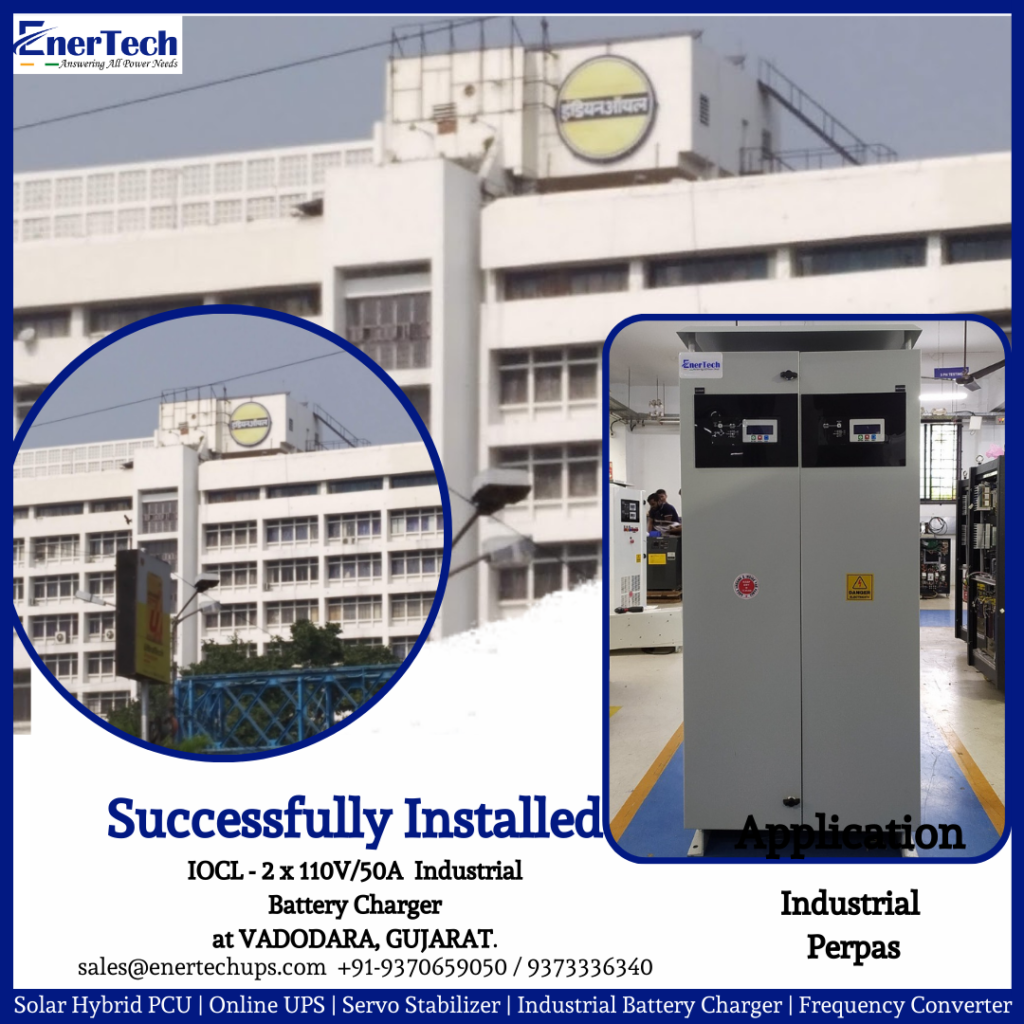
EnerTech manufactures IGBT-Based Battery Chargers specifically designed for charging nickel-cadmium batteries while simultaneously supplying DC loads.
Safest and recommended for longest battery life. Charge at 10% of battery capacity (10A for 100Ah battery) for 14-16 hours. No sophisticated charge termination required—Ni-Cad tolerates mild overcharge at this rate.
Requires sophisticated charge termination to prevent overheating and premature wear:
Ni-Cad batteries can float indefinitely at C/30 to C/100 rates. Used for emergency backup applications where batteries remain on charge 99% of the time.
Periodic deep discharge (to 1.0V per cell) followed by full recharge helps maintain capacity.
Recommended every 3-6 months for batteries in float applications. This process addresses the
misunderstood "memory effect."
The term &” memory effect” originated from aerospace applications where Ni-Cad batteries
were discharged to exactly 25% capacity by computer control, then recharged WITHOUT
overcharge. This specific regime caused capacity loss beyond the 25% discharge point.
True memory effect is extremely rare in field applications. What users observe is typically:
Simply allow occasional overcharge (automatic with trickle charging). The original aerospace
issue was eliminated by reprogramming to allow overcharge. Modern applications with
standard charging practices don't experience memory effect.
Cadmium is a heavy metal classified as hazardous waste. Ni-Cad batteries require special handling and disposal procedures unlike lead-acid (97% recycled) or lithium (minimal hazardous content).
Many jurisdictions restrict or ban Ni-Cad battery sales for consumer applications due to environmental concerns. Industrial and aviation applications typically remain exempt due to lack of suitable alternatives.
Ni-Cad recycling infrastructure is less developed than lead-acid. Recycling processes exist but are more expensive. End-of-life batteries must be shipped to specialized facilities.
For new installations, evaluate whether lithium LFP or advanced lead-acid can meet requirements before specifying Ni-Cad. Reserve Ni-Cad for applications where its unique advantages justify environmental trade-offs.
Note: Sealed Ni-Cad batteries cannot have water added. Maintenance primarily involves
monitoring for signs of impending failure.
Annual Maintenance:
In harsh environment applications with difficult replacement access, Ni-Cad's
reliability and longevity justify the higher initial cost. In applications with easy battery access
and moderate climates, lead-acid may be more economical.
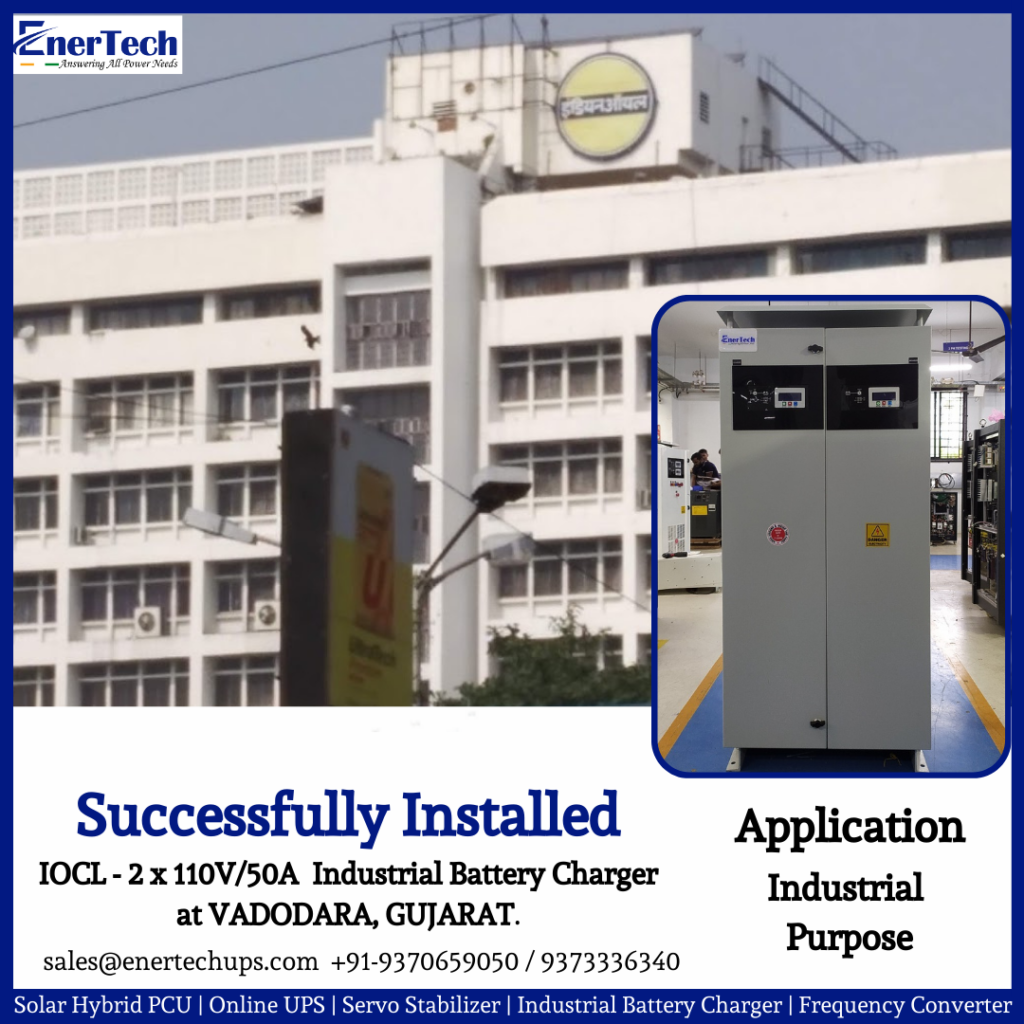
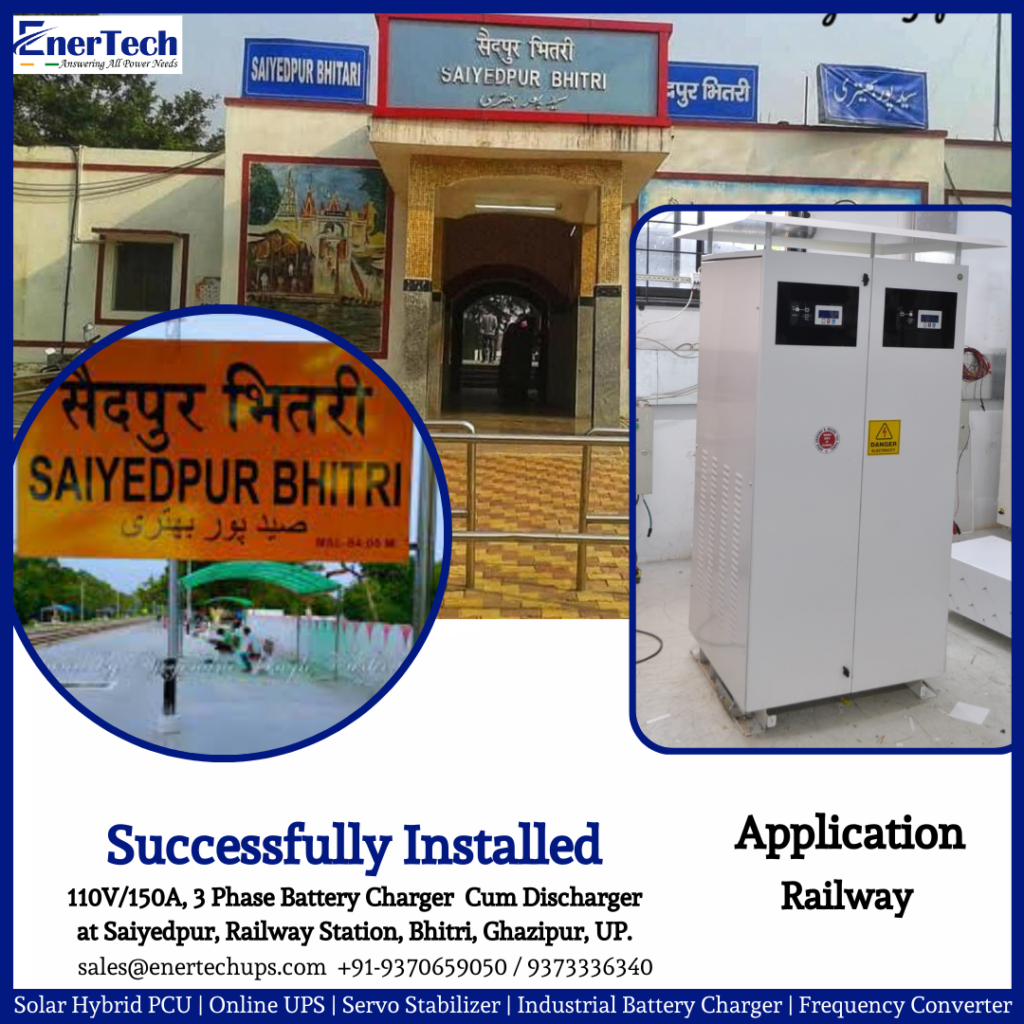
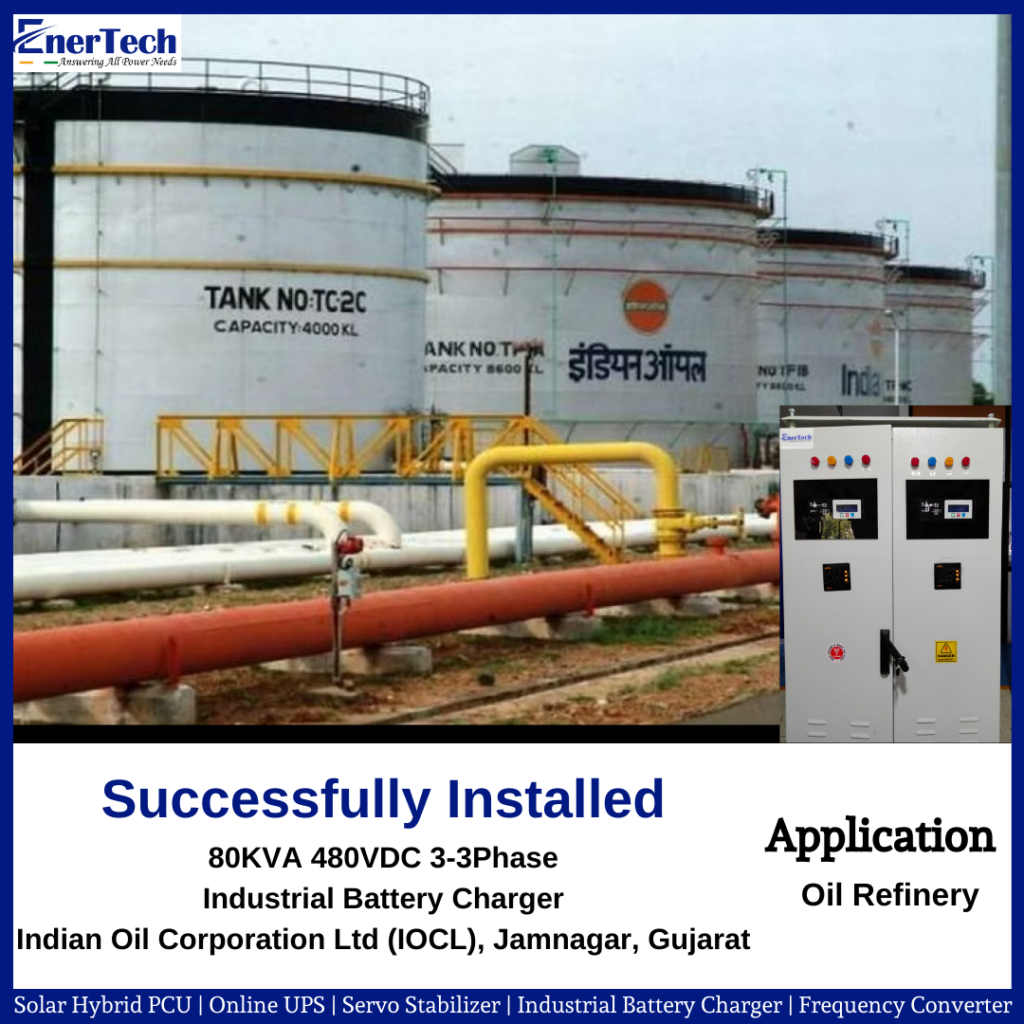
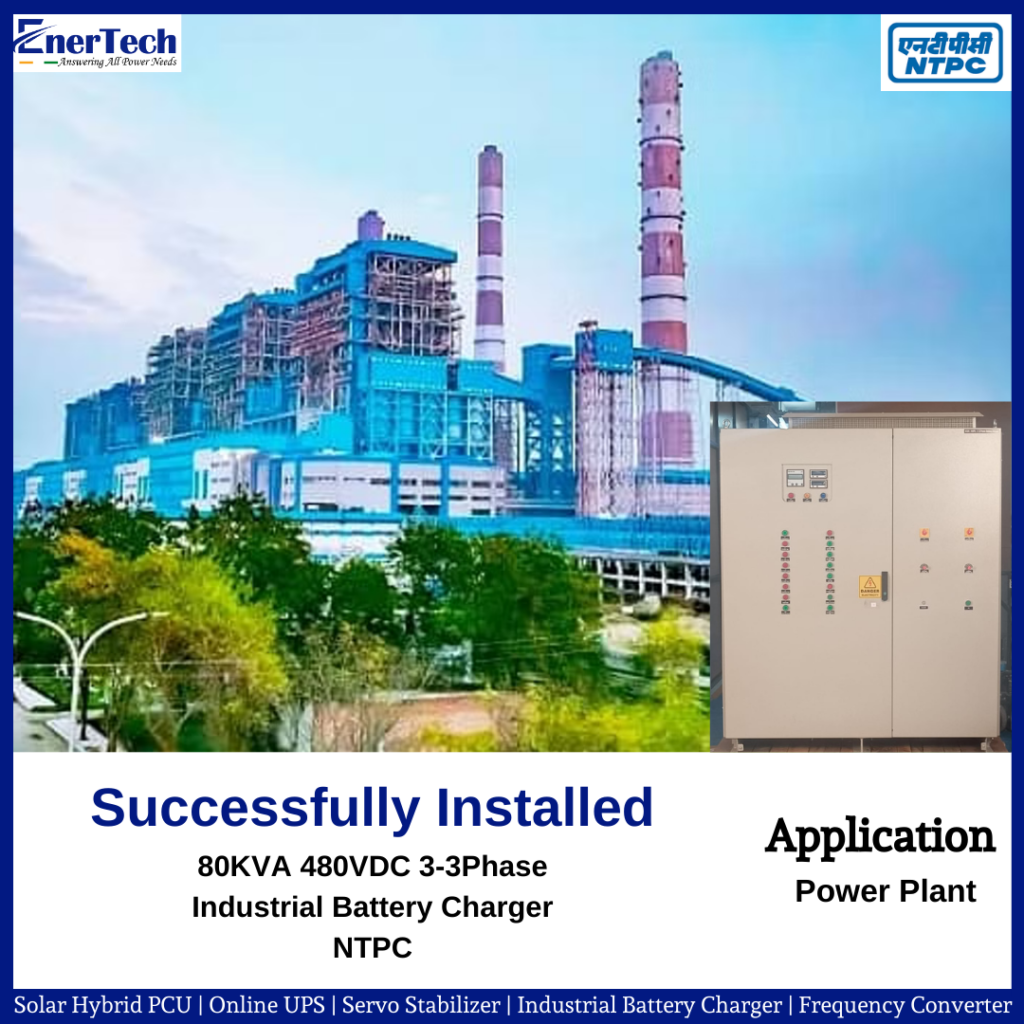
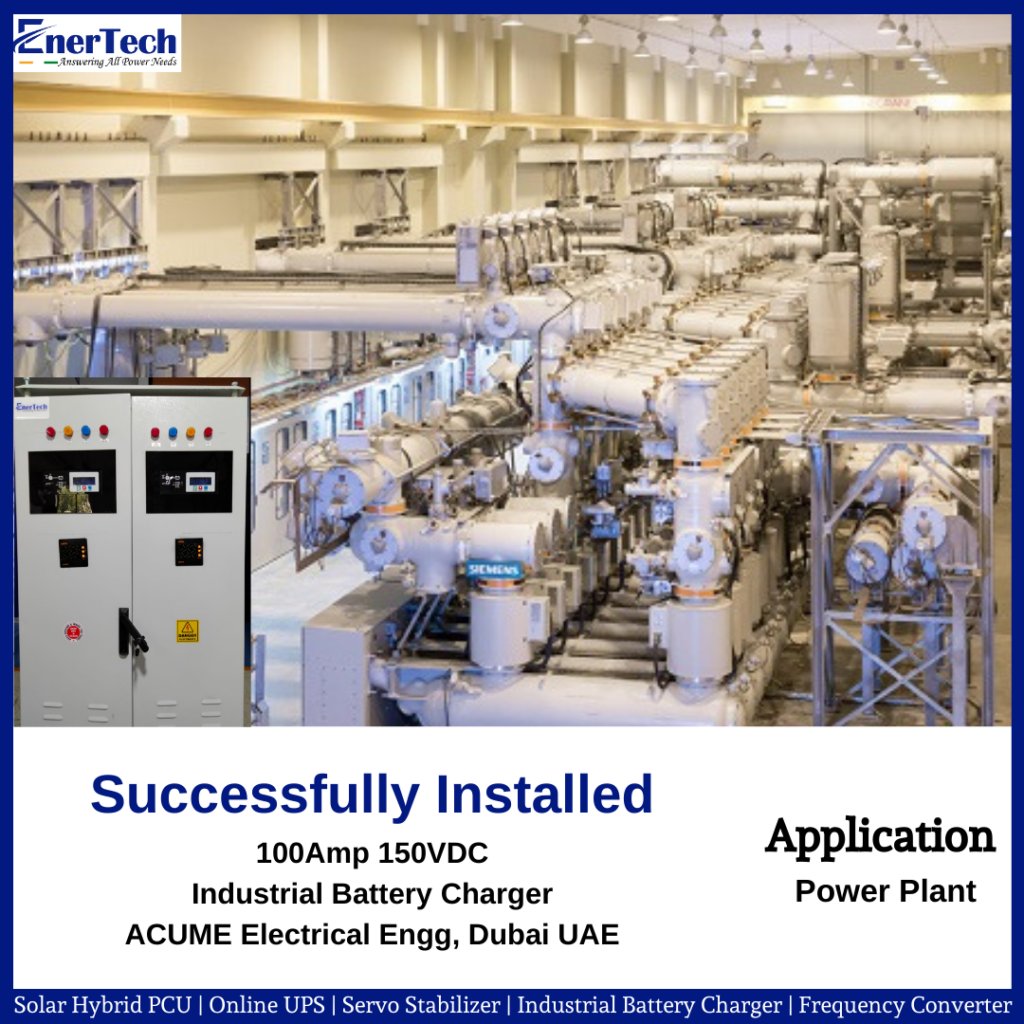
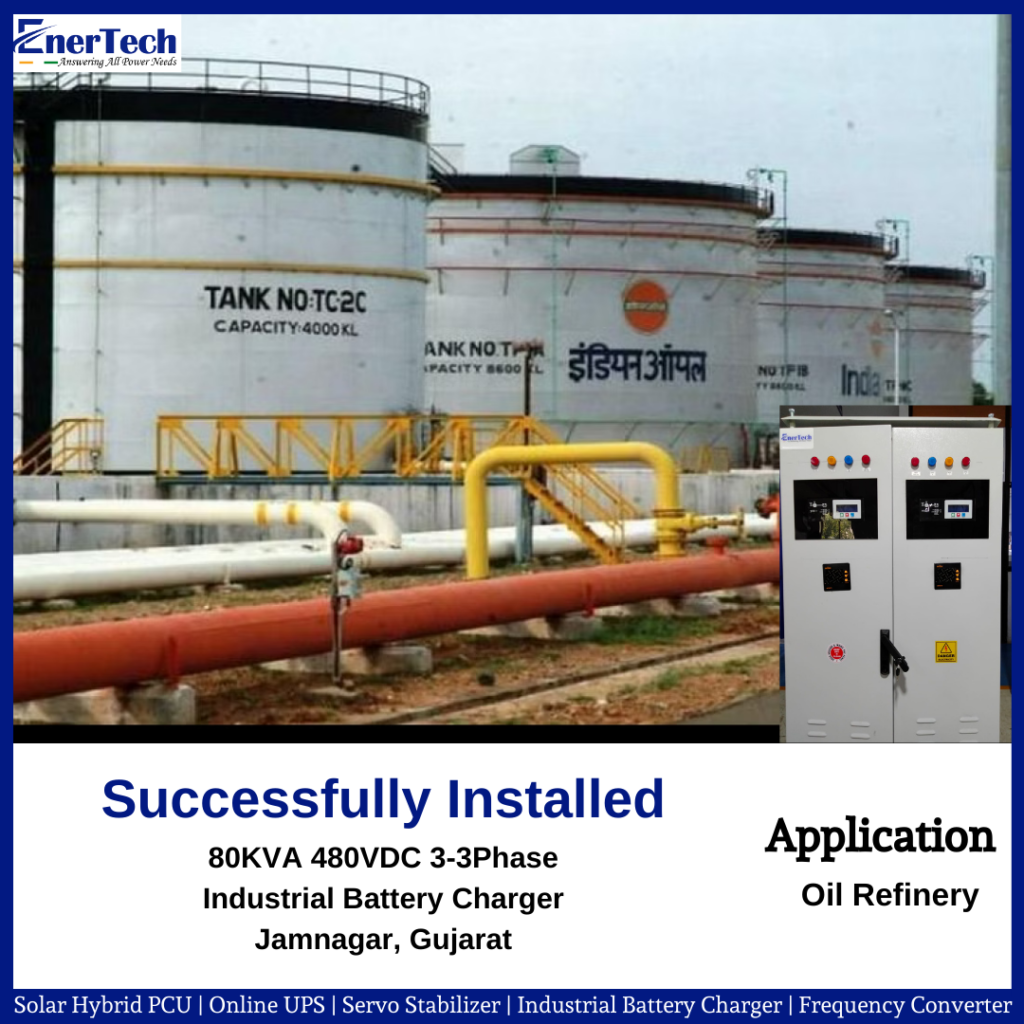
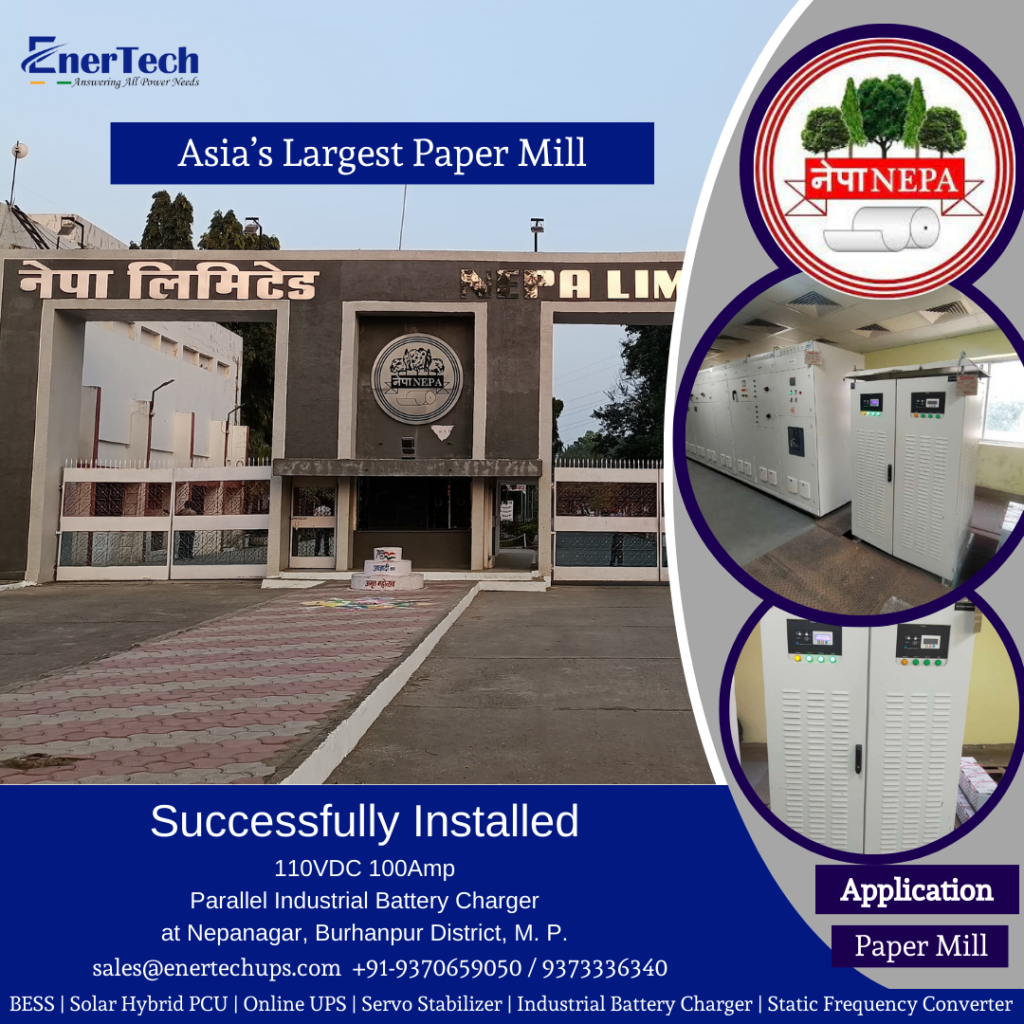
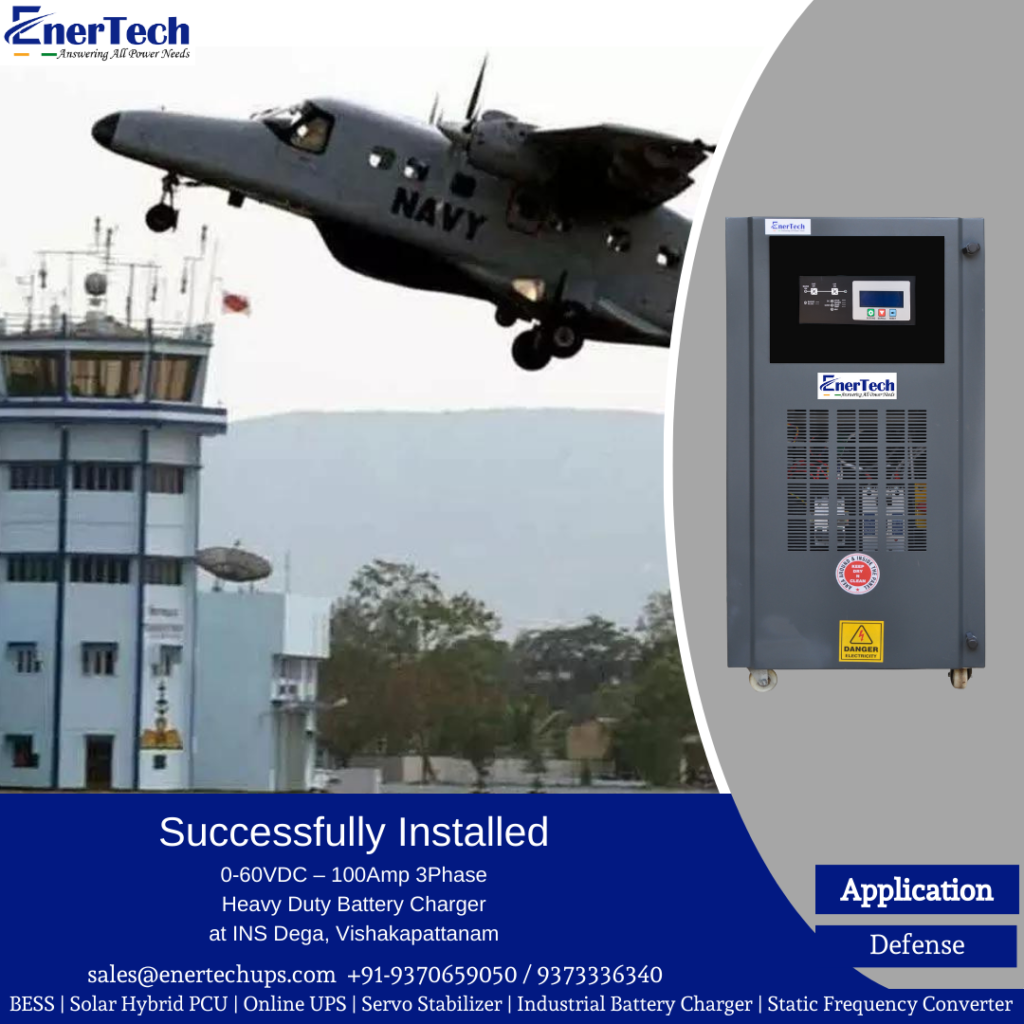
Delivering success through 35,000+ satisfied customers over the past 35+ years with our impeccable Battery Energy Storage System Installation.
EnerTech Ni-Cad Compatible Solutions:
Battery Application Engineering Support
Ni-Cad vs. Modern Battery Technologies Guide
Trusted by industries, businesses, and institutions for reliable solar and energy storage solutions. Proven performance backed by decades of engineering excellence and customer confidence.
A: Yes, but primarily for industrial, aviation, and military applications. Consumer Ni-Cad
batteries (AA, AAA sizes) have been largely replaced by NiMH and lithium. Industrial
pocket-plate and fiber-plate Ni-Cad batteries remain in active production for specialized
applications.
A: Depends on the application. Verify: 1) Operating temperature range, 2) Discharge rate
requirements, 3) Charger compatibility, 4) Regulatory acceptance. Many legacy Ni-Cad
applications can now use lithium LFP, but extreme temperature or high-rate applications may
still require Ni-Cad.
A: True memory effect is rare and misunderstood. Voltage depression from repetitive shallow
cycling can occur but is reversed by occasional deep discharge. Most "memory" complaints
are actually capacity loss from undercharging or cell imbalance—both fixed by proper
charging.
A: Industrial vented Ni-Cad batteries typically serve 15-20+ years with proper maintenance.
Sealed Ni-Cad batteries last 10-15 years. Service life depends heavily on temperature, charge
regime, and depth of discharge. Ni-Cad outlasts lead-acid 3-4× in harsh environments.
SR. No. 399/1-2, Plot No. 5, Bhare P.O. Ghotawade Near Hinjawadi IT Park , Pune-412115, Maharashtra, India.
Copyright 2026 Enertech. All rights reserved by Enertech.