Energy Solutions can help you reduce your electricity bills

Commercial Enquiry :
+919373336340 | +919822407189
sales@enertechups.com
Customer Care & Support: +919373679255 support@enertechups.com
Careers: +919075088292 recruitment@enertechups.com
Energy Solutions can help you reduce your electricity bills
Commercial Enquiry :
+919373336340 | +919822407189
sales@enertechups.com
Customer Care & Support: +919373679255 support@enertechups.com
Careers: +919075088292 recruitment@enertechups.com
| Parameter | Specification |
|---|---|
| Chemistry | Lithium Iron Phosphate (LiFePO₄) |
| Nominal Cell Voltage | 3.2V per cell |
| Charge Voltage | 3.65V per cell (maximum) |
| Discharge Cutoff Voltage | 2.5V per cell (minimum) |
| Specific Capacity | 155 – 170 mAh/g (practical) |
| Energy Density (Gravimetric) | 90 – 160 Wh/kg (cell level) |
| Energy Density (Volumetric) | 220 – 420 Wh/L |
| Cycle Life (80% DOD) | 6,000 – 8,000 cycles |
| Calendar Life | 15 – 20 years |
| Self-Discharge Rate | < 3% per month @ 25°C |
| Charge Efficiency | > 99% |
| Round-Trip Efficiency | 95 – 98% |
| Operating Temperature (Charge) | 0°C to +45°C |
| Round-Trip Efficiency | 95 – 98% |
| Operating Temperature (Discharge) | −20°C to +60°C |
| Continuous Discharge Rate | 1C standard, 2–3C available |
| Pulse Discharge Rate | 1C standard, 2–3C available |
| Charge Rate | 0.5–1C standard |
| Usable Depth of Discharge (DOD) | 80–95% (vs. 50% for lead-acid) |
| Internal Resistance | Very low (<10mΩ typical) |
| Safety Profile | Highest among lithium chemistries |
| Environmental Impact | Cobalt-free, 95%+ recyclable |
| Characteristic | LFP Battery | Lead-Acid Battery |
|---|---|---|
| Cycle Life | 6,000+ cycles | 300–600 cycles |
| Usable Capacity | 90–95% DOD | 50% DOD |
| Energy Density | 3–4× higher | Baseline |
| Weight | 50–70% lighter | Heavy |
| Charge Time | 2–3 hours | 8–12 hours |
| Maintenance | Zero | Quarterly+ |
| Operating Temperature | −20°C to +50°C | +10°C to +30°C |
| Self-Discharge | <3% / month | 5–15% / month |
| Lifespan | 15–20 years | 3–5 years |
| Total Cost of Ownership | Lower (long-term) | Higher |
| Safety | No acid, no fumes | Acid corrosion, H₂ gas |
| Characteristic | LFP | NMC (Nickel Manganese Cobalt) |
|---|---|---|
| Energy Density | 90–160 Wh/kg | 150–260 Wh/kg |
| Thermal Stability | Excellent (>270°C) | Moderate (~150°C) |
| Safety | Highest | Moderate risk |
| Cycle Life | 6,000–8,000 cycles | 1,000–2,000 cycles |
| Calendar Life | 15–20 years | 8–10 years |
| Cost per kWh | Lower | Higher |
| Cobalt Content | Zero (cobalt-free) | 10–20% cobalt |
| Environmental Impact | Minimal | Significant (cobalt mining) |
| Voltage Stability | Flat discharge curve | Sloping discharge curve |
| Temperature Tolerance | Superior | Moderate |

LFP chemistry's molecular structure prevents the oxygen release that causes catastrophic failures in other lithium batteries. No cobalt, no nickel—just iron and phosphate creating stable, predictable performance even under abuse conditions. Thermal runaway temperature exceeds 270°C versus 150°C for NMC chemistry, providing enormous safety margin for real- world applications.

While lead-acid batteries deliver 300-600 cycles and NMC lithium provides 1,000-2,000 cycles, premium LFP cells achieve 6,000-8,000 deep discharge cycles before reaching 80% capacity retention. This translates to 15-20 years of daily cycling in solar storage applications—outlasting 3-4 generations of alternative battery technologies.
LFP batteries maintain stable voltage output from -20°C to +50°C, delivering predictable performance in extreme climates where other chemistries fail. Operating voltage plateau around 3.2V per cell provides consistent power delivery throughout the discharge cycle—critical for sensitive electronic loads.

Unlike lead-acid batteries that suffer permanent damage from high discharge rates, LFP cells sustain continuous 1C discharge (full capacity in 1 hour) and support 2-3C pulse rates without capacity loss or lifespan reduction. This enables high-power applications like EV charging, motor starting, and peak demand response.

No water topping, no equalization charging, no terminal cleaning, no corrosion management. LFP batteries install and operate for decades without human intervention—dramatically reducing total cost of ownership versus flooded lead-acid systems requiring quarterly maintenance.
While LFP chemistry is inherently safer than other lithium types, proper battery management ensures maximum lifespan, safety, and performance:

LFP batteries contain no cobalt—eliminating ethical concerns around cobalt mining practices in certain regions. Iron and phosphate are abundant, non-toxic materials with minimal environmental impact.
95%+ of LFP battery materials can be recovered and recycled at end of life. Iron, phosphate, lithium, copper, and aluminum all have established recycling pathways.
Longer lifespan means fewer replacement batteries manufactured, transported, and disposed. One LFP battery replaces 4-6 lead-acid batteries over equivalent service life, dramatically reducing lifecycle carbon emissions.
Unlike lead-acid (lead, sulfuric acid) or NMC (cobalt, nickel), LFP batteries contain no materials classified as hazardous waste. Safer for manufacturing workers, end users, and recycling operations.
LFP batteries in solar storage applications recover the energy used in their manufacturing within 1-2 years, then provide 15+ additional years of clean energy storage.
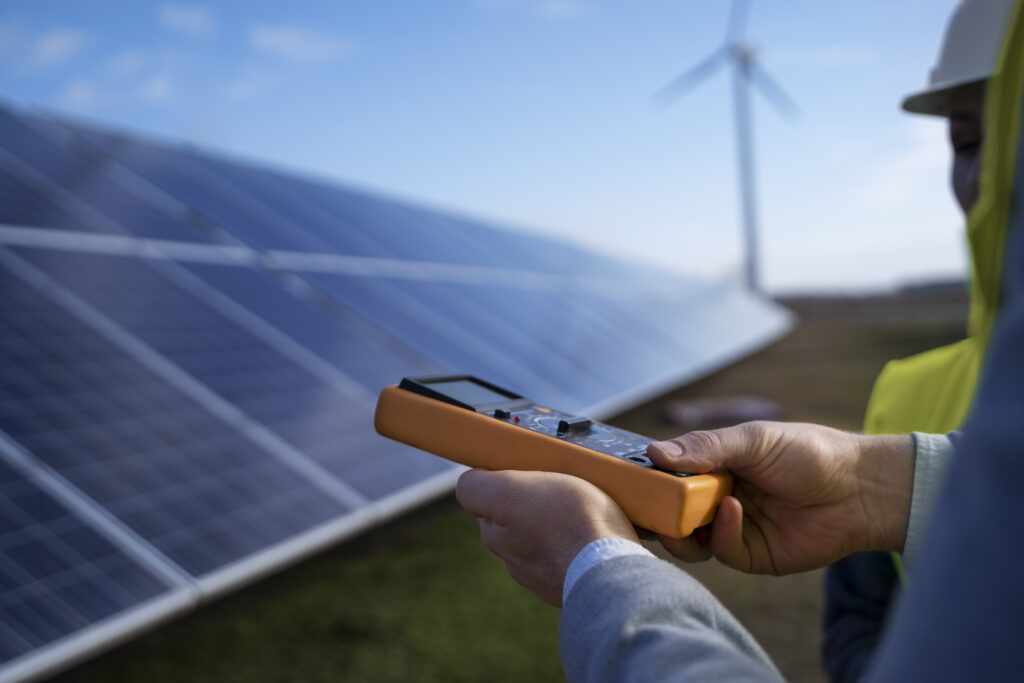
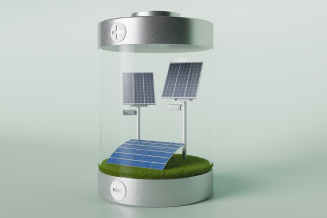
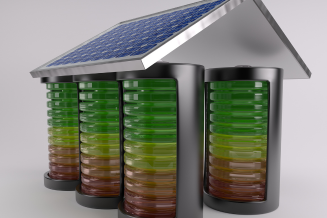
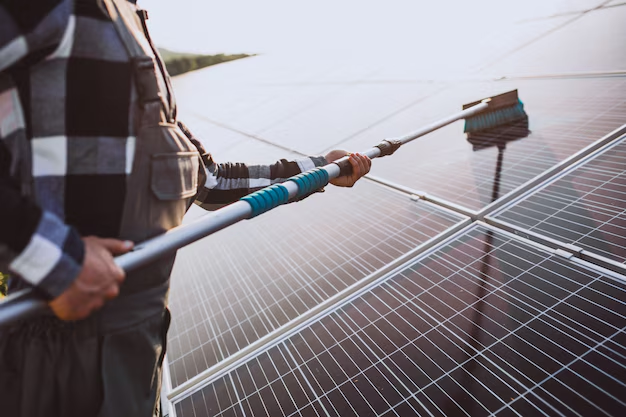

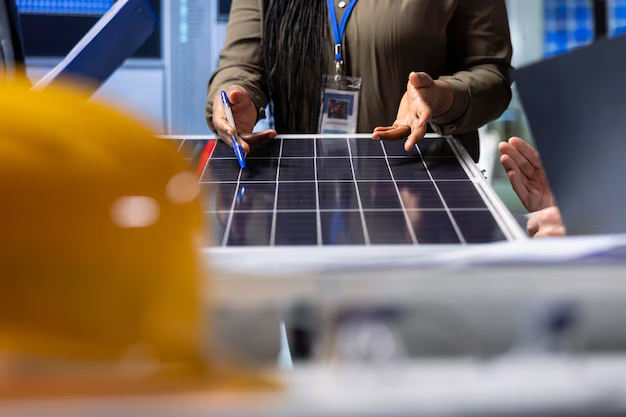
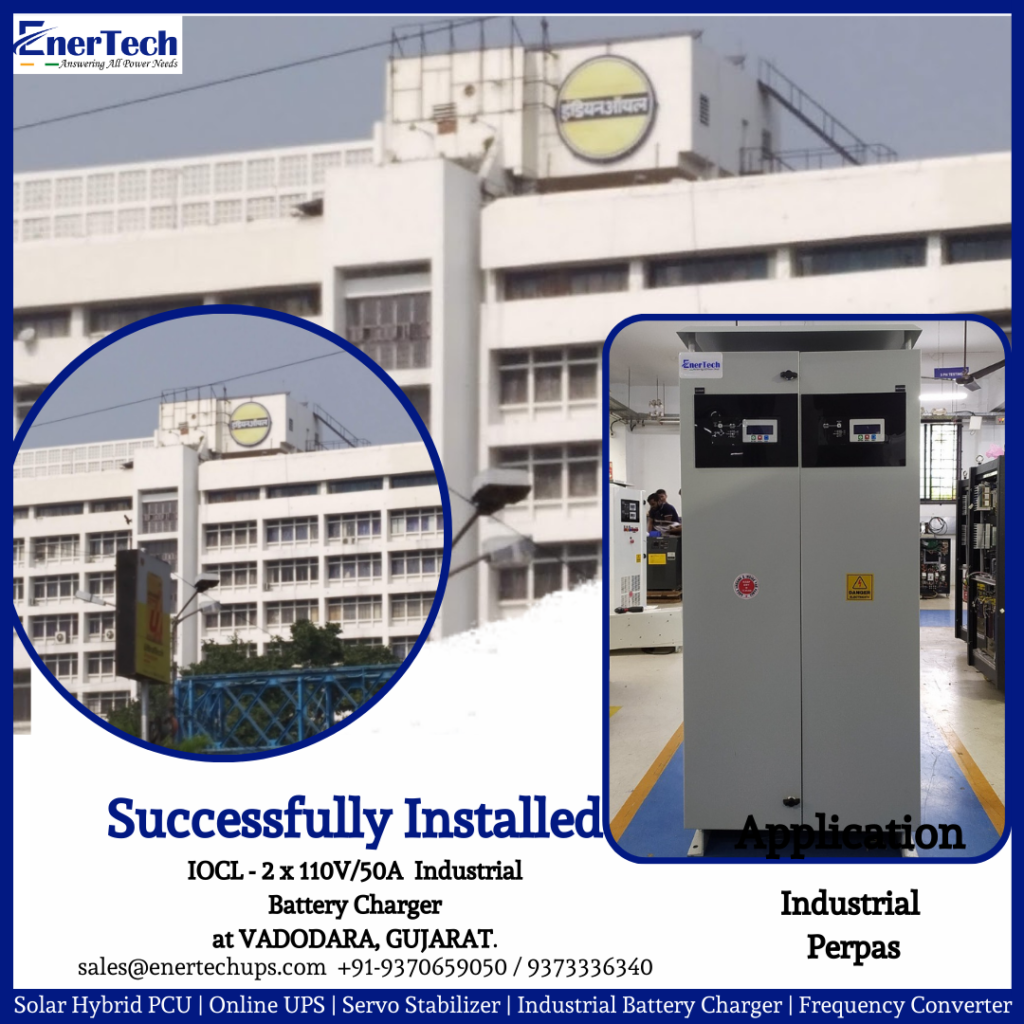
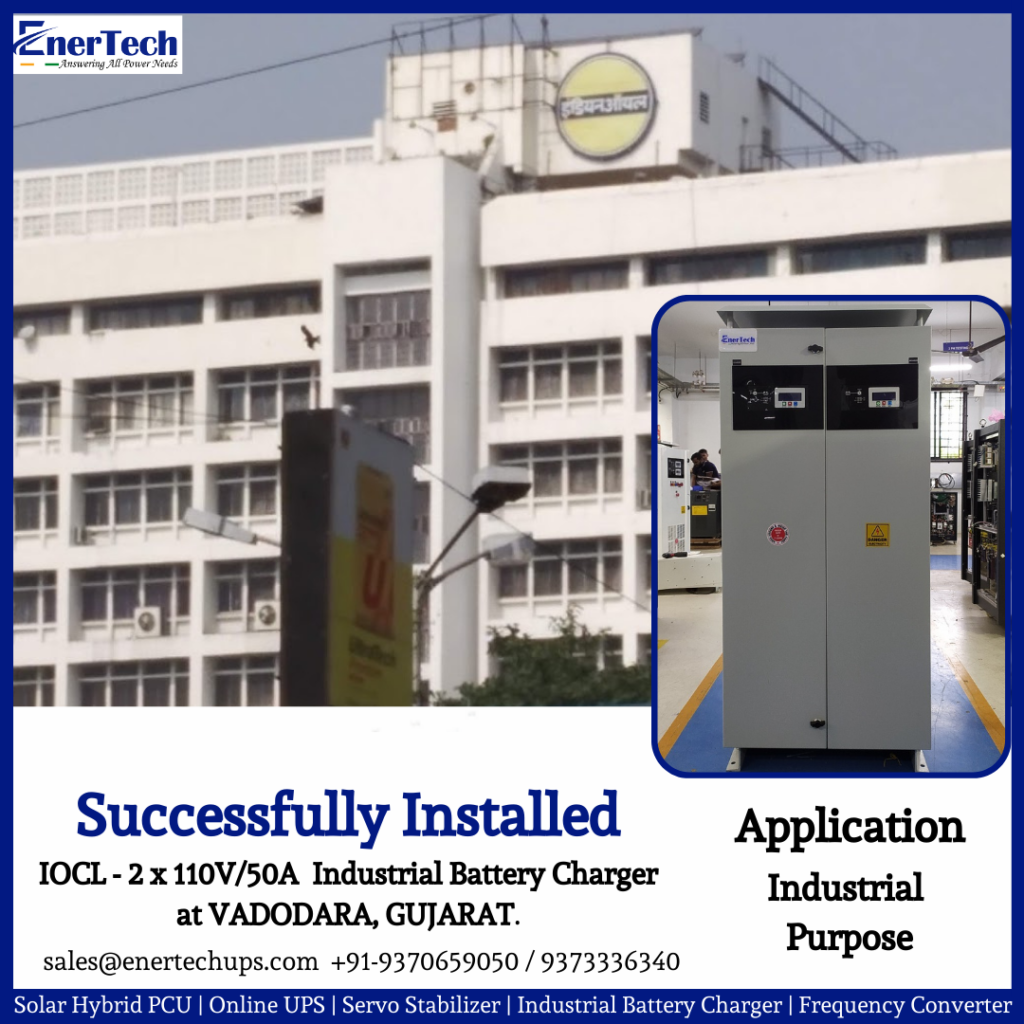
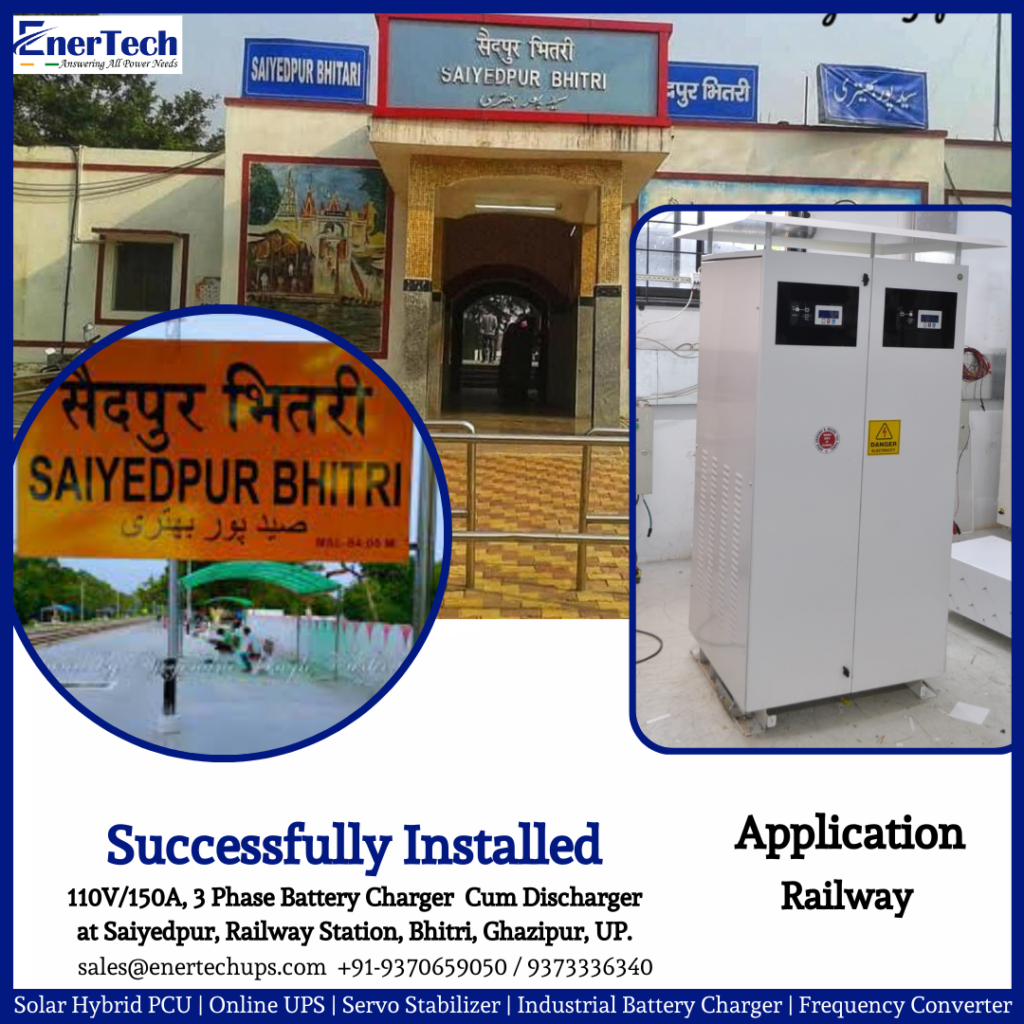
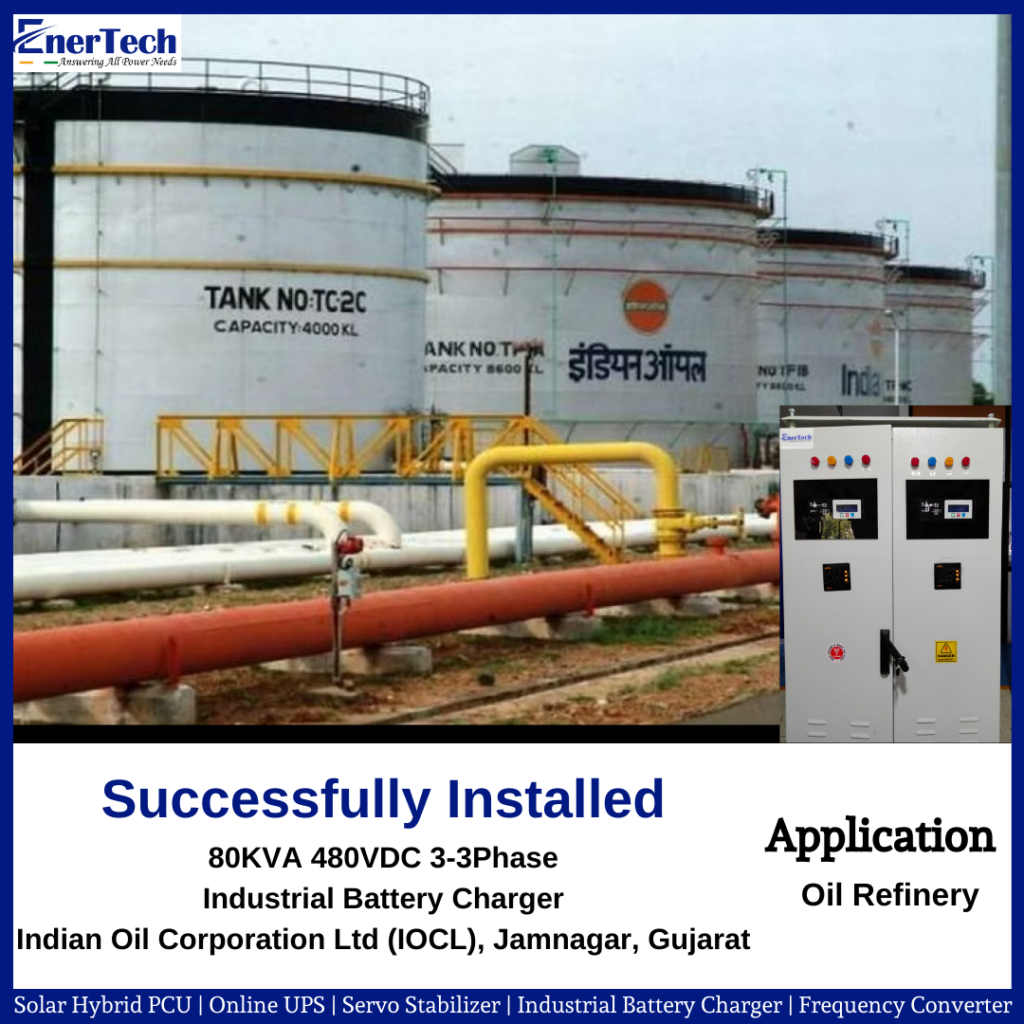
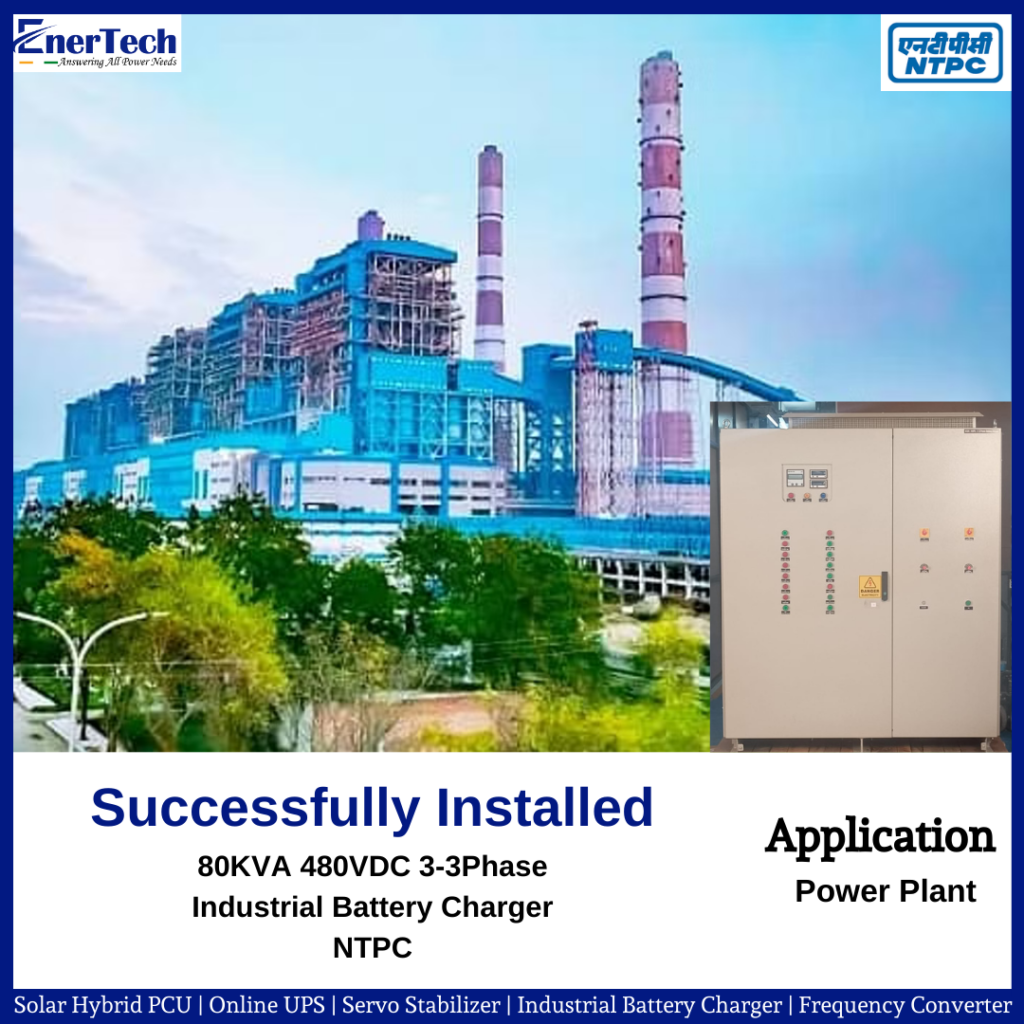
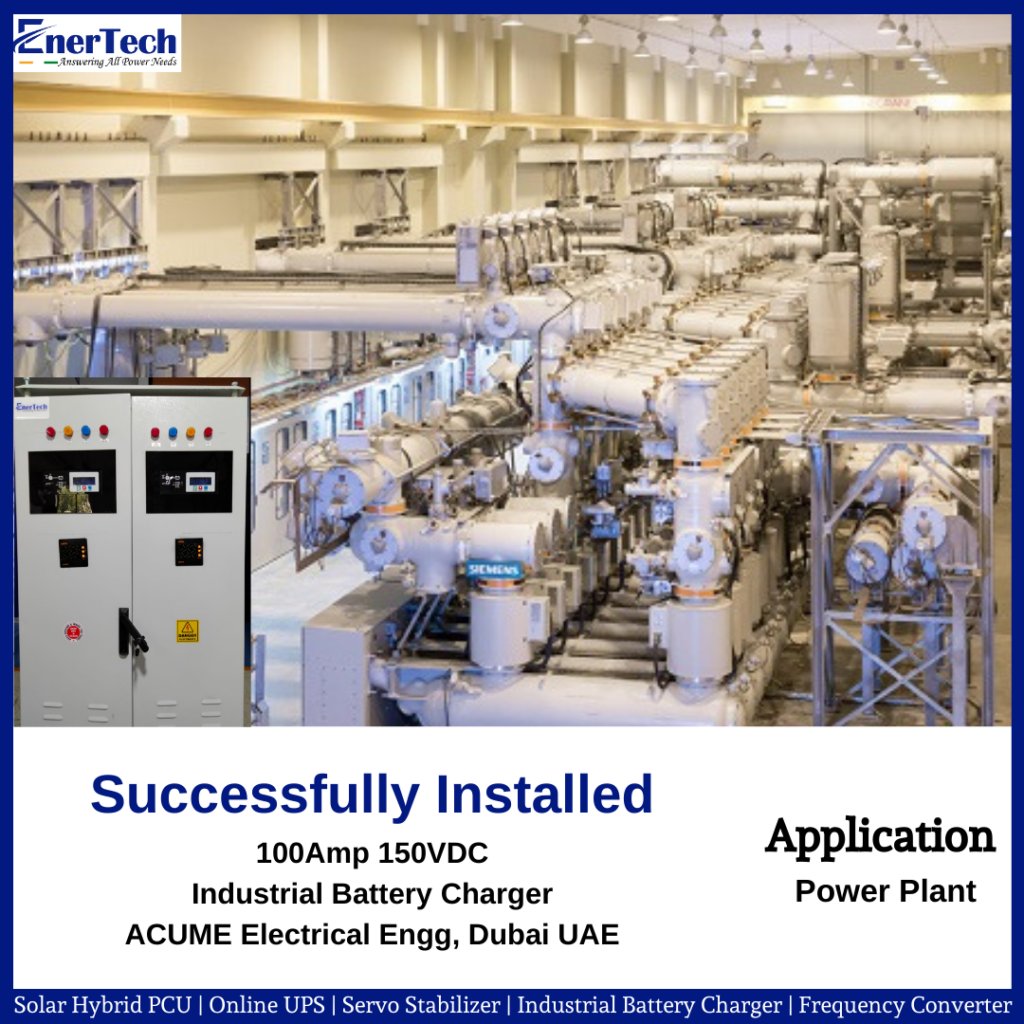
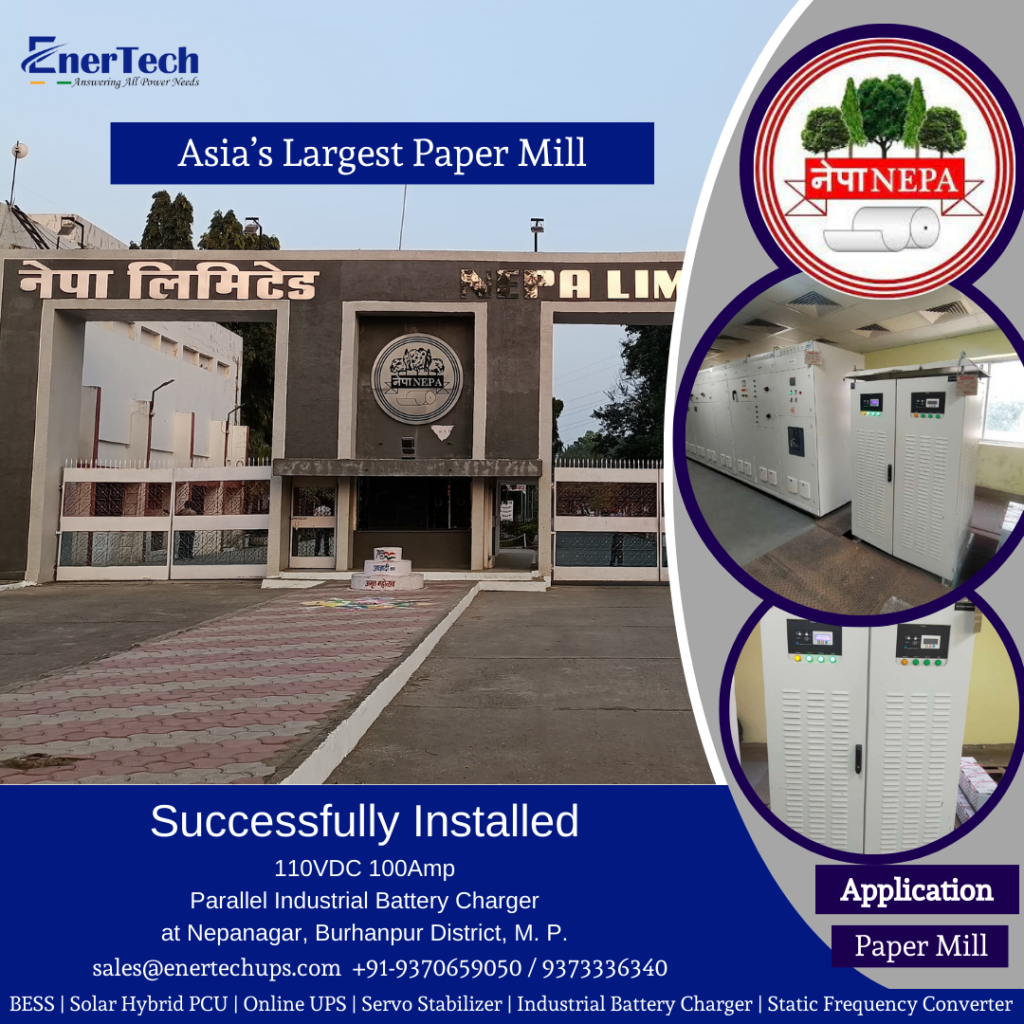
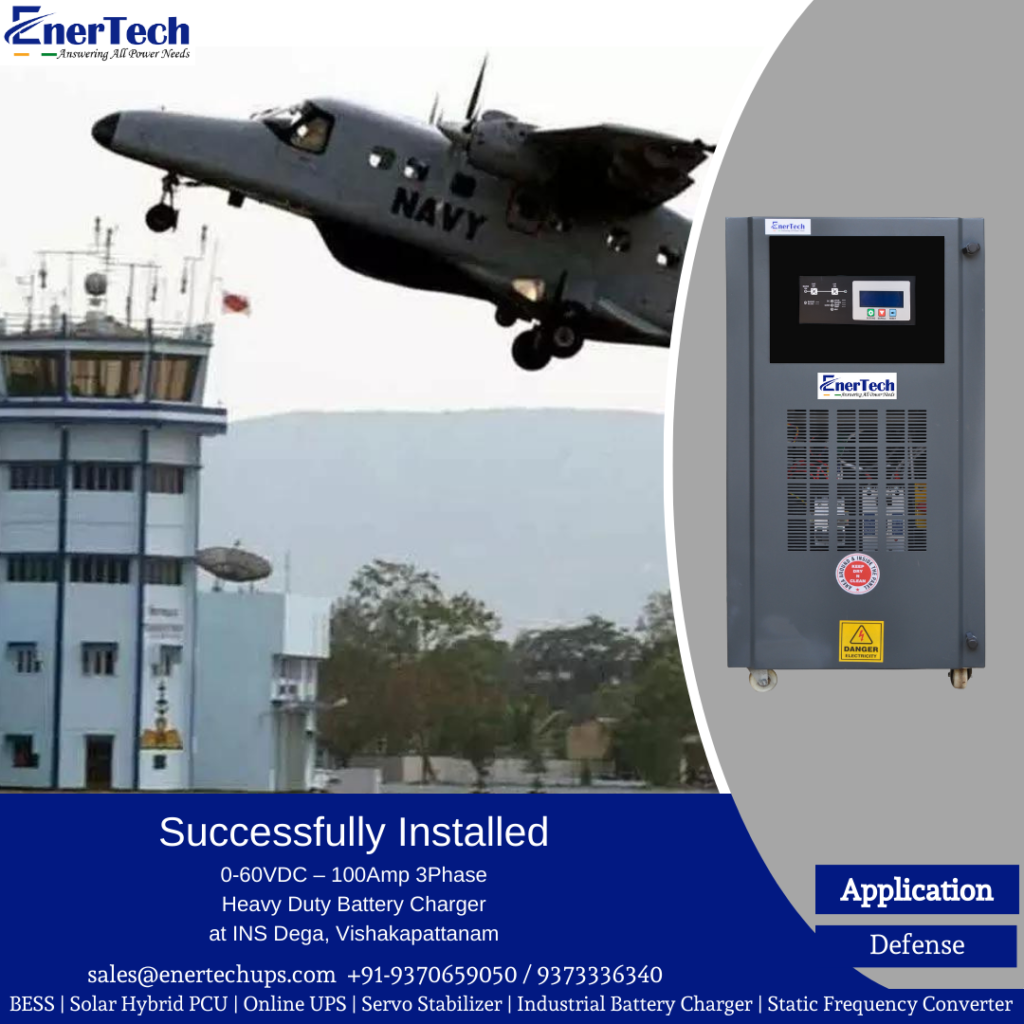
Delivering success through 35,000+ satisfied customers over the past 35+ years with our impeccable Battery Energy Storage System Installation.
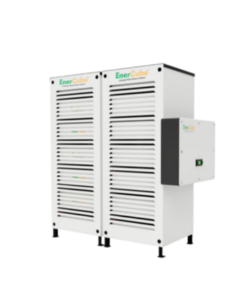
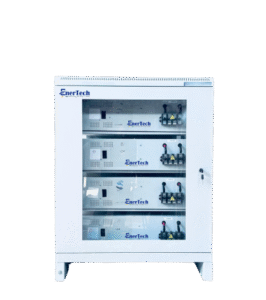
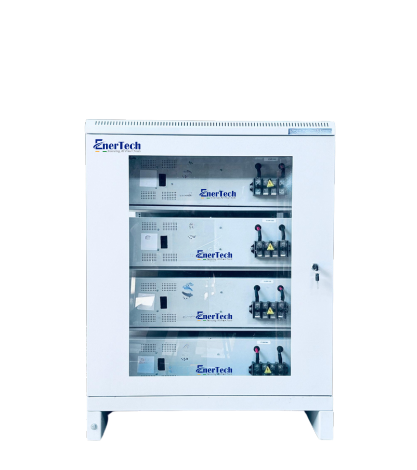
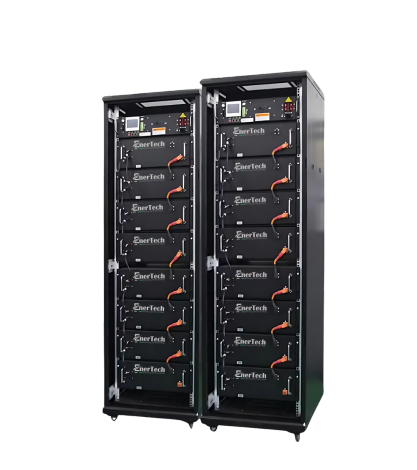
EnerCube LFP-Based Solutions:
Battery Sizing & ROI Analysis
LFP Battery Technical Guide
Trusted by industries, businesses, and institutions for reliable solar and energy storage solutions. Proven performance backed by decades of engineering excellence and customer confidence.
A: LFP chemistry is the safest lithium technology. Its molecular structure prevents oxygen
release that causes fires in NMC/NCA batteries. Thermal runaway temperature exceeds
270°C versus 150°C for NMC. Properly designed LFP systems with BMS are extremely safe
for residential and commercial use.
A: Premium LFP batteries achieve 6,000-8,000 cycles @ 80% DOD before reaching 80%
capacity retention. In daily solar cycling (365 cycles/year), this equals 15-20+ years of
service life. Calendar life typically exceeds 20 years with proper temperature management.
A: Most modern hybrid and battery inverters support LFP batteries with proper
voltage/current settings. EnerCube systems include integrated inverters pre-configured for
LFP. For retrofit applications, verify inverter compatibility with LFP charge profiles
(3.65V/cell max, specific charge algorithms).
A: Absolutely. While LFP costs 2-3× more initially, they provide 10× longer cycle life, 80%
more usable capacity, and zero maintenance. Total cost of ownership over 20 years is 40-60%
lower than lead-acid when factoring in replacements and maintenance.
A: LFP batteries tolerate heat better than lead-acid. While all batteries degrade faster at high
temperatures, LFP maintains stable performance to 50°C+. Lead-acid life halves for every
8°C above 25°C. Proper thermal management extends LFP life even in hot climates.
A: LFP is ideal for off-grid applications. Deep discharge capability (90% DOD), long cycle
life, and maintenance-free operation make it superior to lead-acid for remote installations.
EnerCube systems support grid-forming off-grid operation with solar and backup generator
integration.