
The Industrial Power Revolution: Why Lithium Ion Batteries Are Transforming Manufacturing and Energy Storage
The industrial sector is witnessing a fundamental shift in how power is stored and managed. At the heart of this transformation lies lithium-ion battery technology, which has moved beyond consumer electronics to become the backbone of industrial energy solutions. For facility managers, engineers, and business owners looking to future-proof their operations, understanding the capabilities of modern lithium battery systems has become essential.
Understanding Lithium Ion Battery for Inverter Applications in Industry
When we talk about industrial power backup, the conversation inevitably leads to inverter systems. Traditional lead-acid batteries have long been the standard choice, but the landscape is changing rapidly. A lithium ion battery for inverter systems offers distinct advantages that make a compelling case for industrial adoption.
Industrial facilities operate in demanding environments where power continuity is not just important—it’s critical. Manufacturing lines, data centers, telecommunications infrastructure, and processing plants cannot afford downtime. Modern lithium-ion technology addresses these challenges through superior energy density, meaning more power can be stored in less space. This becomes particularly valuable in facilities where floor space comes at a premium.
The integration between lithium batteries and inverter systems has matured significantly. Unlike older battery technologies that experience voltage drops during discharge, lithium-ion cells maintain consistent voltage output throughout their discharge cycle. This stability ensures that connected equipment receives clean, reliable power, reducing the risk of equipment damage or operational disruptions.
Another significant advantage lies in charging efficiency. Industrial operations often experience irregular power patterns, with brief periods available for recharging backup systems. Lithium-ion batteries can accept rapid charging without the memory effect issues that plagued earlier battery technologies. This means your backup systems are ready faster, providing better protection against successive power events.
The Growing Influence of Lithium Battery Companies on Industrial Standards
What makes today’s lithium battery companies particularly valuable to industrial users is their focus on customization. Modern manufacturers understand that a battery system for a manufacturing plant differs significantly from one designed for telecommunications infrastructure. They offer engineered solutions that account for specific temperature ranges, discharge patterns, and integration requirements.
The reliability factor cannot be overstated. Industrial-grade lithium batteries typically withstand thousands of charge cycles, with some systems rated for over 2000 cycles while maintaining 80% of their original capacity. This longevity translates directly into lower total cost of ownership, reduced maintenance burden, and improved operational predictability.
Quality manufacturing standards have also evolved considerably. Reputable lithium battery companies now implement rigorous testing protocols, including thermal stress testing, vibration resistance evaluation, and long-term performance validation. For industrial buyers, this means greater confidence in system reliability and performance consistency.
Scaling Power: The 200Ah Lithium Battery for Heavy-Duty Industrial Operations
For larger industrial installations, capacity becomes a critical consideration. The 200Ah lithium battery has emerged as a popular choice for facilities requiring substantial backup power or energy storage capacity. This capacity level strikes an effective balance between power availability and system manageability.
Consider a medium-sized manufacturing facility with critical production equipment. A properly configured 200Ah lithium battery system can provide several hours of backup power for essential operations, enough time to safely shut down processes or wait out brief grid disturbances. The actual runtime depends on load requirements, but the capacity offers meaningful protection for most industrial scenarios.
What makes 200Ah systems particularly attractive is their modularity. Industrial power needs rarely remain static—facilities expand, add equipment, or modify operations. Lithium battery systems in this capacity range can typically be paralleled, allowing for capacity expansion without replacing the entire infrastructure. This scalability protects your initial investment while accommodating future growth.
The physical footprint consideration matters significantly in industrial settings. A 200Ah lithium battery occupies considerably less space than equivalent lead-acid capacity, and weighs substantially less. This weight reduction can be particularly important for installations in older buildings where floor loading limits exist, or in situations where batteries need to be positioned on upper floors or mezzanines.
Temperature performance represents another advantage. Industrial environments often experience temperature variations that would stress traditional battery systems. Modern lithium iron phosphate batteries in the 200Ah range typically operate effectively across broader temperature ranges, maintaining performance even in challenging conditions.
Right-Sizing Solutions: The 100Ah Lithium Battery for Targeted Applications
Not every industrial application requires massive capacity. The 100Ah lithium battery serves an important role in targeted applications where moderate capacity meets specific operational needs efficiently. Understanding where this capacity level fits helps optimize both performance and investment.
Smaller industrial installations, remote monitoring stations, telecommunications equipment, and distributed control systems often benefit from 100Ah configurations. These applications require reliable backup power but don’t demand the capacity of larger systems. Using appropriately sized batteries prevents over-investment while ensuring adequate protection.
The 100Ah capacity range also excels in applications requiring multiple, distributed power points. Rather than running long cable runs from a central battery bank, facilities can position 100Ah units near critical equipment. This distributed approach can improve system efficiency by reducing transmission losses and simplifying installation.
Maintenance accessibility improves with smaller capacity units. A 100Ah lithium battery is considerably easier to handle during installation, inspection, or replacement compared to larger units. This practical consideration shouldn’t be overlooked—ease of maintenance directly impacts long-term operational costs and system reliability.
Response time and charging flexibility make 100Ah systems particularly suitable for applications with frequent but brief power interruptions. These batteries can quickly recharge during power availability periods, then discharge efficiently when needed. The cycle capability of lithium technology means these batteries handle frequent cycling without the degradation traditional batteries experience.
The 48V Lithium Ion Battery Standard: Powering Modern Industrial Infrastructure
Voltage standardization has converged around 48V systems for many industrial applications, making the 48V lithium ion battery configuration increasingly important. This voltage level represents an optimal balance between power transmission efficiency, safety considerations, and equipment compatibility.
The 48V architecture provides significant advantages in efficiency and weight savings, delivering high power output with minimal voltage sag while enabling more agile system design. For industrial facilities, this translates into more reliable power delivery and reduced energy losses during both charging and discharging cycles.
Industrial equipment increasingly operates on 48V DC systems. Data centers, telecommunications facilities, and modern industrial automation systems have standardized on this voltage level. Using a 48V lithium ion battery aligns your backup power infrastructure with your operational equipment, simplifying integration and reducing conversion losses.
Safety considerations make 48V systems attractive for industrial installations. While providing substantial power capability, 48V systems remain below the voltage threshold that triggers more stringent electrical safety requirements. This practical consideration can simplify compliance, reduce installation costs, and provide greater flexibility in system placement.
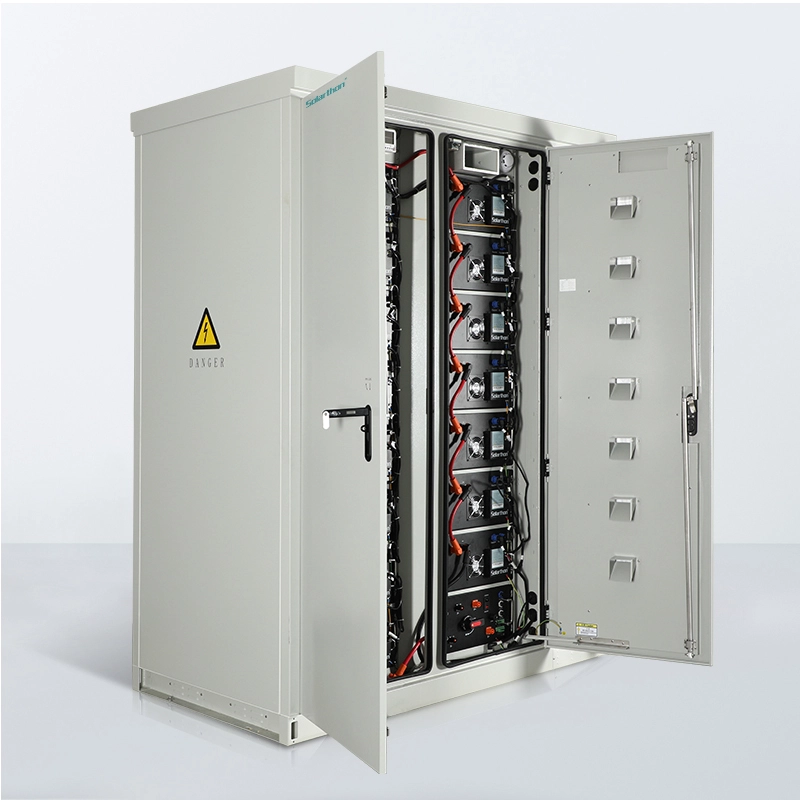
Modern 48V lithium batteries feature advanced safety mechanisms including over-charge, over-discharge, and short-circuit protection, ensuring reliable operation even in challenging industrial environments. These built-in protections add additional layers of safety beyond the inherent advantages of lithium iron phosphate chemistry.
The parallel and series configuration flexibility of 48V systems allows for sophisticated power architectures. Industrial facilities can design systems that combine multiple 48V batteries to achieve required capacity while maintaining system modularity. This approach provides both redundancy and scalability—two critical factors in industrial power planning.
Integration Considerations for Industrial Lithium Battery Systems
Successfully implementing lithium battery technology in industrial settings requires thoughtful integration planning. The technical specifications matter, but so do practical considerations around installation, operation, and maintenance.
Thermal management deserves careful attention. While lithium batteries operate across wider temperature ranges than traditional alternatives, extreme temperatures still affect performance and longevity. Industrial facilities should assess environmental conditions where batteries will be installed, considering both ambient temperature and potential heat sources. Proper ventilation, climate control, or thermal management systems may be necessary for optimal performance.
Battery Management System compatibility represents another critical factor. Modern lithium batteries incorporate sophisticated BMS technology that monitors cell health, manages charging, and protects against fault conditions. Your inverter system must communicate effectively with this BMS to optimize performance. Verify compatibility between your existing or planned inverter infrastructure and the battery systems you’re considering.
Charging infrastructure requires evaluation. Lithium batteries accept rapid charging, but your facility must provide adequate charging capability. Assess your electrical infrastructure to ensure it can support the charging requirements of your battery system. This becomes particularly important when installing larger capacity banks or multiple battery systems.
Physical installation planning should account for future expansion. Even if current needs are modest, consider whether your installation allows for capacity additions. Proper planning at the outset can prevent costly modifications later when operational needs grow.
Looking Ahead: The Future of Industrial Energy Storage
The trajectory of lithium battery technology points toward continued improvement. Energy density continues increasing while costs decline, making the value proposition increasingly compelling for industrial applications. Manufacturing capacity is expanding globally, improving availability and competitive pricing.
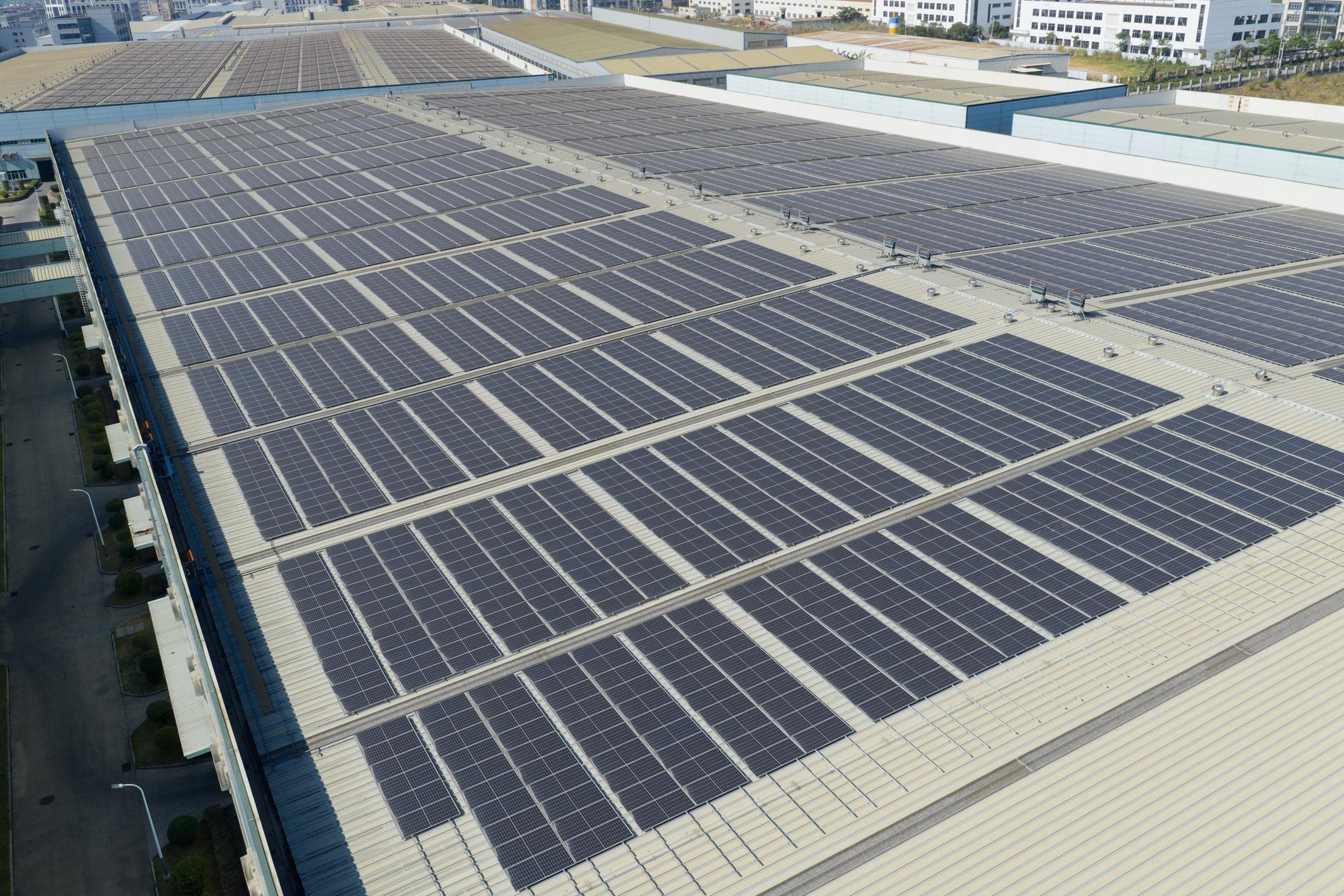
Integration with renewable energy sources will drive further adoption. As industrial facilities increasingly incorporate solar and wind generation, efficient energy storage becomes essential. Lithium battery systems provide the performance characteristics necessary for effective renewable integration.
Smart grid connectivity represents another frontier. Future battery systems will communicate seamlessly with grid infrastructure, enabling sophisticated demand response strategies and optimizing energy usage patterns. Industrial facilities adopting these technologies position themselves advantageously as energy markets evolve.
Conclusion
The industrial power landscape is undergoing fundamental transformation, with lithium-ion battery technology at the center. For facilities seeking reliable, efficient, and scalable power solutions, lithium batteries offer compelling advantages over traditional alternatives. The combination of superior performance, longer lifespan, reduced maintenance, and improved safety creates a strong value proposition.
Whether you’re protecting critical manufacturing processes, ensuring telecommunications reliability, or building resilient infrastructure, modern lithium battery systems provide the foundation for dependable industrial power. As technology continues advancing and costs continue declining, the question for many industrial facilities is not whether to adopt lithium battery systems, but when and how to implement them most effectively.
The industrial power revolution is underway, and lithium-ion technology is leading the charge toward more reliable, efficient, and sustainable industrial operations.


Comments are closed