
Comparing LiPO4 IP65 Liquid-Cooled vs Traditional Batteries: What You Must Know
Choosing the right battery type is imperative, particularly amidst evolving needs and a dynamic environment. Whether for renewable energy storage or an EV, batteries are the silent workhorses of the modern world. They power everything they run, helping the world move on. Hence, the choice matters significantly.
While selecting battery types, we often see companies confused between a LiFePO4 battery or a LiFePO4 solar battery (while going solar) and a traditional one. Both have unique features and advantages that make them worthwhile for industrial use.
However, which option to choose when it comes to selecting any one?
To figure out the option, you must compare both. So, here’s a comparison that weighs both options based on various parameters.
What is a LiFePO4 Battery?
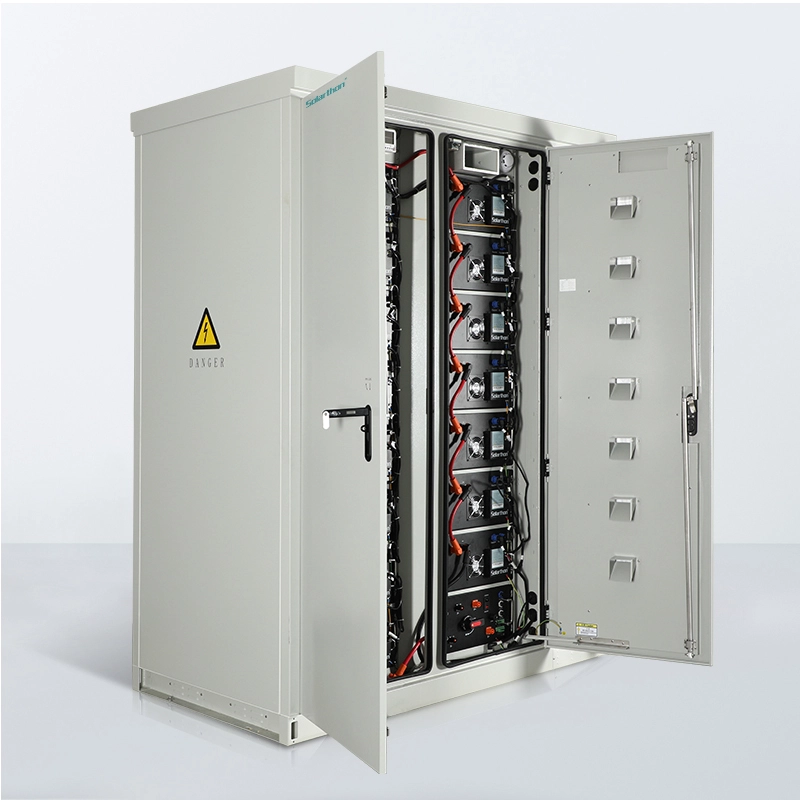
Here’s what a LiFePO4 IP65 liquid-cooled battery means.
- LiFePO4 (Lithium Iron Phosphate): This is a type of lithium-ion chemistry that ensures safety, stability, and a long cycle life.
- IP65 Rating: It denotes the protection against dust and water jets. Hence, these batteries are suitable for outdoor or harsh environments.
- Liquid Cooling: It is a technology that regulates temperature more effectively than air cooling. By doing so, it ensures higher efficiency, safety, and longevity under heavy loads or high-temperature environments.
What is a Traditional Battery?
Traditional batteries, as you would already know, are lead-acid batteries. They use airflow instead of liquid. They are usually cheaper, yet heavier and less efficient. On the other hand, they have a shorter life cycle. You would often see them struggle performing in extreme heat or high-demand applications.
Now that you’ve seen what these battery types are, let’s compare them to move closer towards making an informed decision.
Difference Between a LiFePO4 Liquid-Cooled Battery and a Traditional Battery
From features to upfront costs, both these batteries have unique differences that drive a user’s choice. Let’s look at each to make a clearer choice.
| Aspect | LiFePO4 Battery | Traditional Battery |
| Chemistry | Lithium Iron Phosphate. Hence, the name LiFePO4 | Lead-acid or lithium (air cooled) |
| Cooling System | Advanced liquid cooling for stable temperatures | Limited air cooling or no active cooling |
| Lifespan | 4000-7000+ cycles | 500-1500 cycle (lead-acid) and 2000-4000 (air-cooled lithium) |
| Durability | IP65 rating makes them resistant to dust and water | Limited resistance. Hence, often unsuitable for harsh or extreme environments. |
| Efficiency | >95% round trip efficiency | 70-85% (lead-acid)
~90% (air-cooled lithium) |
| Weight and Size | Compact with a higher energy density | Bigger and heavier |
| Extreme Temperature Performance | High. Liquid cooling ensures operational stability. | Vulnerable to overheating or performance loss |
| Safety | LiFePO4 chemistry + cooling system makes the battery very safe | Higher overheating risk (lithium) or acid leakage (lead-acid) |
| Upfront Cost | High | Low |
| Maintenance Requirements | Minimal | Frequent |
| Charging Efficiency | 99%+ | 80-85% with power loss during discharging |
| Power Output | Consistent regardless of the discharge levels | Power output reduces as the battery discharges |
| Sustainability | More sustainable and no toxic metals like lead | Not as environment-friendly due to presence of lead and sulfuric acid that are toxic and require a special disposal arrangement. |
When Should You Choose What?
Whether a LiFePO4 battery or a conventional one, here’s when to choose what.
You must choose LiFePO4 IP65 battery or LiFePO4 solar battery when,
- Longevity is your priority
- Space and weight are critical factors for you
- You cannot compromise on battery performance
- You need a battery that operates optimally in a harsh environment
- You prioritize safety
Now, you can choose a traditional battery when,
- Initial cost is a concern for you
- You need a battery for a short-term application
- Weight and size aren’t critical concerns for you
- You are fine performing frequent maintenance and checks
- You need a battery to operate in a controlled environment
Final Thoughts
The fundamental choice between a LiFePO4 IP65 battery and a conventional one boils down to a few basic factors. These include cost, maintenance, performance, and long-term value. LiFePO4 solar battery excels on these fronts. It has a higher upfront cost. But the offer provides more value and proves to be more cost-effective in the long term. Traditional batteries may appeal to the more cost-driven users or applications. But they aren’t necessarily as efficient or value-driven in the long run.
Choose LiFePO4 Battery for Solar Energy Storage for Long-Term Value!
EnerTech is aligned with modern energy needs and expectations. EnerTech is one of the most prominent examples of its value-driven approach. It is a remarkably effective and useful solar battery energy storage solution with incredible features and functionalities that serve beyond the basic purpose of energy storage. The batteries are thoughtfully designed to meet the industry’s energy requirements. Therefore, it is used and trusted by several companies from different industries.
So, if you plan to go solar and want to transcend conventional energy challenges, EnerTech has got you covered. Please email us at sales@enertechups.com to explore more about our product and connect with our experts to discuss your requirements.

Comments are closed